
In the neon-drenched, hyper-modern landscape of Tokyo, a singular aesthetic principle reigns supreme, softening the edges of skyscrapers and the hard sell of commerce: kawaii. Far more than a visual style, kawaii (cuteness) is a cultural operating system, a deeply ingrained language of emotion that has become the most potent tool in Tokyo's advertising arsenal. By 2026, the city's billboards, train car panels, and digital screens are a menagerie of adorable mascots—from IKEA's surprisingly endearing shark to the existential laziness of Sanrio's Gudetama. These characters are not mere decorations; they are sophisticated emotional avatars, engineered to humanize brands, forge indelible memories, and transform the mundane act of consumption into an act of cultural participation and emotional connection.
This article explores the profound psychology behind kawaii's dominance, dissects how it sells everything from insurance to real estate, and examines the delicate balance Tokyo's advertisers must strike in a market saturated with cuteness.
The Deep Psychology of Kawaii: Why Cuteness Compels
The power of kawaii in advertising is rooted in universal and culturally specific psychological responses:
The Caregiving Instinct & Oxytocin Release: Kawaii characters, with their large eyes, rounded features, and simplified, infant-like proportions, trigger a hardwired human caregiving response. This stimulates the release of oxytocin, the "bonding hormone," fostering feelings of warmth, trust, and protectiveness. An ad featuring a cute mascot doesn't just get noticed; it chemically predisposes the viewer to a positive association.
Emotional Accessibility & Reduced Threat: In a high-pressure, formalized society, kawaii acts as a social lubricant and an emotional safe space. It disarms cynicism and reduces psychological barriers. A complex or dry product—like a banking loan or a new metro line—becomes approachable when explained by a charming character. The cuteness "softens" the transactional nature of the message.
Narrative Vessels & Relatable Personas: Kawaii characters are blank slates for projection. Gudetama's lazy melancholy resonates with overworked adults. Chiikawa's tiny, vulnerable animals embody themes of friendship and perseverance. The consumer doesn't just buy a product; they align with the character's story and values, creating a deeper, narrative-based loyalty.
Collective Cultural Identity: In Japan, kawaii is not childish; it's a valid and powerful mode of communication across all ages and genders. Its use in advertising reflects and reinforces a shared cultural comfort with expressing vulnerability, humor, and playfulness. It makes the ad feel authentically Japanese, tapping into national pride and aesthetic sensibility.
Campaign Deconstruction: Kawaii in Action Across 2026 Tokyo
1. IKEA Japan – "BLÅHAJ: Your Tiny Home Realtor"
The Campaign: IKEA took its already popular BLÅHAJ plush shark and cast it as the star of a campaign for small-space living solutions. In ads, the large, goofy, blue shark is depicted as a friendly, slightly clumsy real estate agent, navigating and furnishing tiny Tokyo apartments.
Why It's Genius: This campaign brilliantly localizes a global brand. It understands that Tokyo's defining housing challenge is limited space. By using a beloved, non-human mascot to address a sensitive and personal topic, it removes potential stress or inadequacy. The shark's inherent silliness makes downsizing feel creative and playful, not like a compromise. The campaign went viral globally, proving kawaii's export power.
YouTube Link:

2. Sanrio's Gudetama – The Lazy Philosopher of Consumption
The Ad: Gudetama, a lazy egg yolk with a permanent look of existential dread, promotes... well, mostly just promotes being Gudetama. Its "ads" are short, relatable animations of it avoiding effort, often tied to food products or daily routines.
Why It's Genius: In a culture known for relentless diligence, Gudetama's unabashed laziness is subversive kawaii. It offers emotional validation to a burned-out populace. Its marketing genius is its anti-hustle ethos. It doesn't hard-sell; it commiserates. By buying a Gudetama product, consumers are buying a badge of solidarity with the need for rest, creating a powerful, empathy-driven brand connection.
YouTube Link:

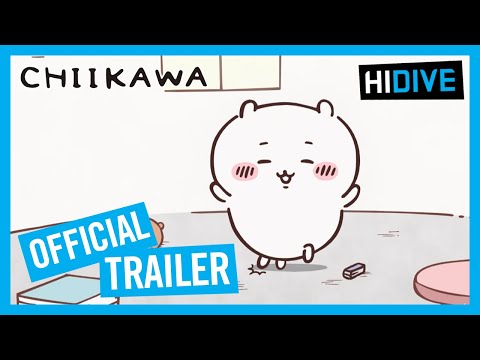
3. Chiikawa – From LINE Stickers to Ubiquitous Icons
The Phenomenon: What began as simple, miniature animal characters on LINE message stickers exploded into a full-blown advertising force. Chiikawa characters, with their tiny size and enormous expressions of worry or joy, are now plastered across Tokyo, promoting everything from snacks to travel campaigns.
Why It's Genius: Chiikawa represents the democratization and digital-native rise of kawaii. Their origin as user-generated communication tools (stickers) meant they were already beloved and felt personally owned by millions. When brands adopt them, they are borrowing pre-established, authentic affection. The characters carry the warmth of personal chats into the commercial sphere, making ads feel like a message from a friend.
YouTube Link:
4. Yuru-Kyara (Local Mascots) – Cuteness as Civic Duty
The Campaign: Nearly every Japanese prefecture, city, and government department has its own "yuru-kyara" (loose mascot). Kumamon (Kumamoto's black bear) is a superstar, but thousands more promote tourism, safety, and local produce.
Why It's Genius: This is kawaii as a public utility. These mascots perform the critical function of making civic information engaging and memorable. A mascot demonstrating earthquake safety is far more likely to be watched and shared than a dry government announcement. They foster local pride and turn regional promotion into a collectible, character-driven narrative.
The 2026 Evolution: Interactive and Integrated Kawaii
Tokyo's kawaii advertising has evolved beyond static imagery:
Interactive Puzzle Billboards: Ads in Shinjuku Station might feature a cute character in a maze or a simple puzzle, inviting commuters to engage for a moment, turning ad-viewing into a micro-game.
Cross-Media Story Arcs: A character introduced in a TV commercial will have its backstory fleshed out in a web manga, its merchandise sold in pop-ups, and its stickers available on LINE, creating a 360-degree kawaii ecosystem.
The Creator Economy Fuel: Platforms allow independent artists to sell their own kawaii character stickers, creating a vast, diverse pool of styles. Brands now collaborate with these indie creators, tapping into fresh aesthetics and niche fanbases.
The Risks and Strategic Tightrope
While powerful, the kawaii strategy is not without peril:
The Credibility Cliff: For brands in finance, luxury, or B2B sectors, excessive cuteness can undermine perceptions of authority and reliability. The balance must be carefully managed (e.g., a cute mascot for brand awareness, paired with sleek, professional design for product details).
Saturation and Differentiation: With hundreds of new yuru-kyara and commercial mascots born each year, standing out in the "kawaii crowd" is a monumental challenge. The character must have a unique, compelling personality, not just a cute design.
Cultural Translation Nuances: While kawaii has global appeal (as seen with Pokémon and Hello Kitty), its application in advertising can sometimes be too culturally specific or "quirky" for direct export without adaptation.
Conclusion: The Strategic Heart of Cuteness
In 2026, Tokyo's advertising landscape demonstrates that kawaii is not an aesthetic garnish but a profoundly strategic emotional technology. It is the city's native tongue for building trust, simplifying complexity, and embedding brands into the daily emotional rhythms of life. The smiling shark, the lazy egg, and the tiny, anxious animals are more than sales tools; they are cultural mediators.
They prove that in a world of overwhelming information and transactional fatigue, the most advanced advertising strategy might be the one that taps into our most basic human instinct: to care, to connect, and to find joy in a simple, beautifully designed character. In Tokyo, cuteness doesn't just sell products—it crafts companionship, builds community, and rules the visual soul of the city, one adorable mascot at a time.
Discover the future of urban mobility with our E-Bike Marketing 2026 insights. Learn how to sell freedom and enhance city living through innovative strategies.
Discover the ultimate showdown between Bose and Sony in noise-canceling technology. Explore features, performance, and ads that define the sound of silence.
Discover the future of advertising with Meta Headset Ads 2026. Explore strategies to effectively market in the evolving mainstream metaverse landscape.
Discover the key differences between Apple Watch and Garmin in 2026. Explore how marketing health features compete with status symbols in wearables.
Explore the visual language of Moët & Chandon's champagne ads. Discover how imagery and design elevate brand perception and consumer engagement.
Discover how Hollywood directors are shaping luxury tequila ads, blending artistry and branding to elevate the spirit's allure in the market.
Discover how Heineken is revolutionizing the beer industry with its "Zero Alcohol" lifestyle marketing strategy for 2026. Explore innovative approaches today.
Discover the art of sophisticated storytelling with Johnnie Walker 2026. Explore the rich narratives behind each blend and elevate your whisky experience.