
Luxury tequila has undergone a profound metamorphosis, evolving from a regional spirit with a party-centric reputation into a formidable global cultural symbol. By 2026, the landscape of premium tequila advertising has been completely reshaped. Brands are no longer satisfied with traditional commercials; they are commissioning acclaimed Hollywood directors to craft cinematic campaigns that resemble art-house short films. These pieces are not mere advertisements—they are cultural statements, meticulously designed to elevate tequila into the rarefied realms of art, aspirational lifestyle, and enduring prestige.This article explores the driving forces behind this trend, examining why A-list directors are now leading creative direction, how this shift fundamentally reshapes brand identity, and the complex matrix of risks and opportunities this cinematic approach presents.🎬 Why Hollywood Directors Are the New Creative VisionariesThe involvement of Hollywood talent is not a mere celebrity endorsement gimmick; it is a strategic pivot essential for modern luxury positioning.1. The Quest for Cinematic Prestige:
Luxury tequila ads in 2026 are epic in scope, often running between 5 to 10 minutes. They employ the full grammar of cinema: slow-motion sequences that capture the slow drip of añejo down the glass, chiaroscuro lighting that sculpts the agave fields at dawn, and nuanced narrative arcs that trace a journey of patience and craft. This approach mirrors Hollywood’s core competency: creating deep, sustained emotional resonance. A 30-second spot can announce a product; a 10-minute film can make you feel its soul.2. Lifestyle Branding Through Narrative:
Today’s marketing sells an identity, not a liquid. Tequila is presented less as a beverage and more as a cultural artifact—a vessel for stories of heritage, terroir, artisanal craftsmanship, and sophisticated discernment. Hollywood directors, as master storytellers, are uniquely equipped to translate these abstract values into compelling visual narratives. They build worlds where the bottle is a character, and its creation is a hero’s journey.3. Meeting Elevated Audience Expectations:
The premium consumer is ad-averse but story-hungry. They expect brand communications to feel like art, not interruptions. A director like Denis Villeneuve or Chloe Zhao brings an immediate “prestige cinema” credibility—a visual signature that signals to the audience that what they are about to watch is worthy of their attention and emotional investment. It transforms the act of viewing an ad into a curated cultural experience.4. Achieving Universal, Global Reach:
As tequila solidifies its status as a global luxury category, communication must transcend language. Cinematic storytelling, relying on powerful imagery, metaphor, and score, communicates universally. The emotional tone of a film directed by Alejandro G. Iñárritu can resonate in Tokyo, Berlin, and New York with equal power, bypassing the need for dialogue-heavy explanations.📊 The Paradigm Shift: Traditional Ads vs. Cinematic Tequila Films
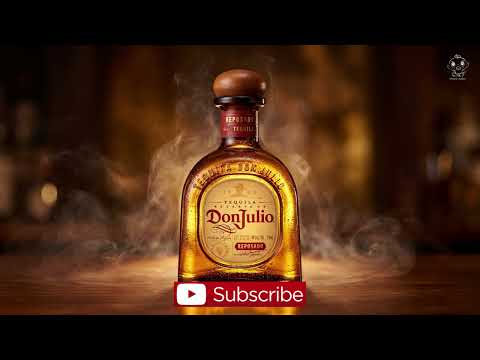
This campaign represents the apex of the trend. It’s a 9-minute cinematic product film that treats the bottle not as packaging, but as a sculptural icon and a reliquary. The camera lingers on the play of light within the liquid, the texture of the glass, and the stark beauty of the Mexican landscape. Every frame is intentional, composed with the precision of a portrait painter. The narrative is less about "making" and more about "waiting" and "honoring," aligning the brand with timeless luxury values.🎥 Don Julio “Bottled Legacy” Cinematic Film (2026):
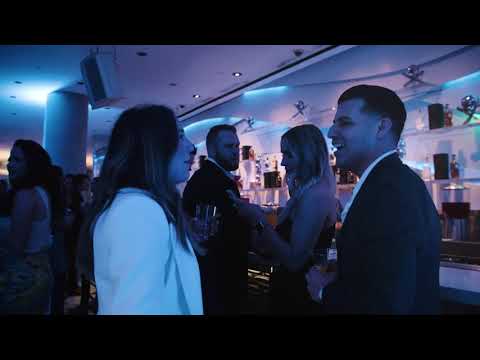
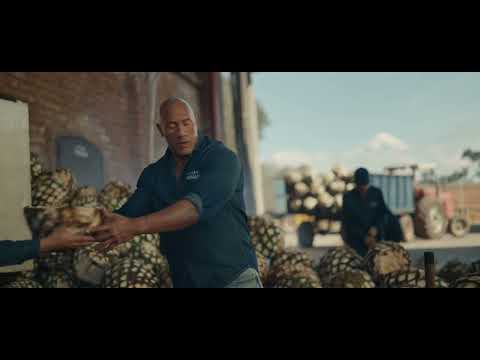
For celebrity-backed brands like Flecha Azul (co-founded by Mark Wahlberg) and Teremana (Dwayne Johnson), cinematic storytelling is the key to legitimacy. It moves them beyond mere endorsements into the domain of authentic brand-building. The film becomes a vehicle to share the celebrity’s personal connection to the craft, framing their involvement as a passion project rather than a business venture.🎥 Flecha Azul Celebrity Tequila Ad:
🎥 Teremana Tequila Storytelling Spot:
🔑 Expert Insights: Strengths, Risks, and Opportunities
Strengths:
Credibility & Artistry: A Hollywood director’s name is a seal of quality that elevates the entire category, making the ad a shareable piece of content.
Emotional Capital: These films build profound emotional equity, associating the brand with feelings of aspiration, heritage, and sophistication.
Cultural Integration: The ads are discussed in film and culture circles, achieving organic placement far beyond the advertising column.
Risks:
Diminishing Returns & Saturation: As more brands adopt the formula, the "wow" factor diminishes. Differentiation then depends on increasingly extravagant production, raising the cost barrier.
The Authenticity Paradox: An overly polished, foreign-directed film can feel disconnected from tequila’s rustic, earthy Mexican origins, risking accusations of cultural veneer.
ROI Measurement: With multi-million dollar productions, the link between film views and bottle sales becomes more complex. Success depends on virality and prestige perception, which are hard to quantify.
Opportunity:
This trend powerfully aligns tequila with contemporary film culture, a primary passion point for coveted Gen Z and Millennial consumers. For these demographics, who value authenticity and experiential depth, a beautiful film is a valid product of a brand, deepening engagement in a way a billboard never could.
⚠️ Navigating the Critical Trade-Offs
Accessibility vs. Exclusivity: While cinematic ads build an aura of luxury, they can create a perceptual chasm for the mainstream drinker who just wants to understand the flavor profile. Brands must balance cinematic hero content with clear, product-focused messaging elsewhere.
Heritage vs. Global Gloss: The greatest challenge is respecting and authentically representing tequila’s deep Mexican roots while appealing to a global luxury aesthetic. The most successful campaigns are those that collaborate with Mexican cinematographers, location scouts, and cultural consultants to ensure the story feels rooted, not borrowed.
Story vs. Substance: In the pursuit of beautiful filmmaking, the actual product—the taste, the aging process, the agave variety—can become a secondary character. The story must enhance the substance, not eclipse it.
📈 Consumer Reception and Market Impact in 2026
Social Media as a Gallery: Platforms like YouTube, Instagram, and TikTok become the primary galleries for these films. Users don’t skip them; they share, comment on the cinematography, and use the score in their own videos, generating millions in earned media value.
Critical Acclaim: Marketing and film analysts deconstruct these ads in articles and video essays, praising them as pioneering examples of "branded entertainment." They win awards at film festivals, not just advertising shows.
Commercial Validation: The premium-and-above tequila segment continues its meteoric growth in key markets like North America and Europe. While driven by multiple factors, the elevated brand perception fueled by cinematic marketing is a significant contributor, justifying the substantial investment for houses like Don Julio, Patrón, and Clase Azul.
Cultural Legacy: These campaigns enter the cultural lexicon, referenced as benchmarks for how to build a modern luxury brand. They shift the entire industry’s creative ambitions.
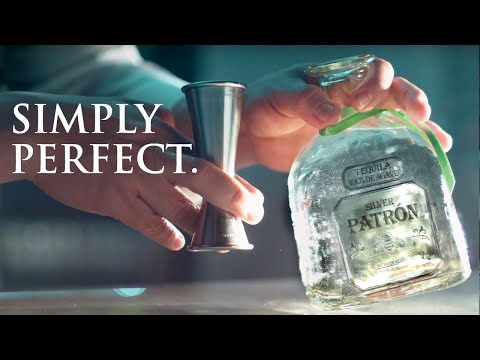
🎥 Luxury Tequila Ad Compilation (2026):
✅ Conclusion
In 2026, the reign of Hollywood directors over luxury tequila advertising is a logical culmination of the spirit’s journey to the top shelf of global culture. Cinematic storytelling provides the essential tools to transmute a spirit into a symbol: narrative depth, emotional gravity, and visual grandeur. By focusing on atmosphere, artistry, and myth-making, these films successfully transform tequila from a consumable drink into a consumable idea—an idea about heritage, patience, craftsmanship, and the art of living well.While risks of saturation and inauthenticity loom, the brands that will endure are those that use this powerful cinematic language not just to dazzle, but to tell a story that is, at its heart, true to the soul of the agave and the land from which it came. The bottle on the shelf is no longer just a spirit; it is a ticket to the world the film promised.
Discover how Heineken is revolutionizing the beer industry with its "Zero Alcohol" lifestyle marketing strategy for 2026. Explore innovative approaches today.
Discover the art of sophisticated storytelling with Johnnie Walker 2026. Explore the rich narratives behind each blend and elevate your whisky experience.
Explore the thrilling clash of Monster and Celsius in extreme sports marketing. Discover how visuals drive engagement and brand loyalty in this dynamic arena.
Discover the epic showdown between Starbucks and Nespresso in 2026. Explore the cinematic coffee ad battle that redefines your coffee experience.
Discover how Kellogg’s is reinventing breakfast for Gen Z in 2026. Explore innovative branding strategies that cater to the tastes and values of a new generation.
Discover the most creative snack ads of 2026 as Doritos and Cheetos battle for the spotlight. Explore innovative campaigns that redefine snacking!
Discover how brands leverage influencer takeovers to create authentic TV spots. Explore the impact of creators directing campaigns and engaging audiences.
Discover the science behind virality and learn why even million-dollar ads can fail. Uncover key factors that drive successful marketing campaigns.