

Fast food advertising has always been a battlefield. With dozens of chains competing for the same hungry consumers, the difference between a successful campaign and a forgotten commercial often comes down to a single ingredient: humor. For decades, the funniest fast food ads have done more than sell burgers, tacos, and subs. They have entered the vernacular, created iconic mascots, and sometimes even sparked national debates.
From Wendy’s Clara Peller demanding “Where’s the Beef?” to Burger King’s surreal King creeping into bedrooms, these commercials prove that in the attention economy, laughter is a currency more valuable than taste tests or price promotions.
This article explores why humor became fast food’s most reliable advertising weapon, analyzes the landmark campaigns that defined the genre, and reveals how these ads transcended their commercial origins to become permanent residents of pop culture.
Why Humor Works in Fast Food Advertising
H2: Memorability
A straightforward product demonstration is forgotten the moment the commercial ends. A genuinely funny ad—one that makes viewers genuinely laugh or say “What did I just watch?”—lodges itself in memory. Catchphrases like “Where’s the Beef?” outlived the campaign that created them, migrating into political debates, stand-up comedy, and everyday conversation.
H2: Youth Appeal
Fast food’s core demographic—teenagers and young adults—is also the demographic most responsive to irreverent, absurd, and unexpected humor. Ads that mock convention or embrace weirdness signal that a brand understands its audience’s sensibility.
H2: Virality
Long before TikTok and Twitter, funny fast food ads spread through word of mouth, watercooler discussions, and late-night talk show parodies. Taco Bell’s Chihuahua and Quiznos’ Spongmonkeys became proto-memes, shared and referenced in contexts far removed from their original commercial intent.
H2: Differentiation
In a saturated category where products are functionally similar, brand personality becomes the sole differentiator. Humor allows a chain to establish identity not through what it sells, but through how it makes people feel. Jack in the Box’s absurdist mini-cowboys did not emphasize ingredients; they emphasized that Jack in the Box was willing to be strange.
Landmark Funny Fast Food Campaigns
Wendy’s – “Where’s the Beef?” (1984)
Concept: Clara Peller, a feisty elderly woman, examines a competitor’s hamburger and repeatedly demands to know the location of the beef. The bun is enormous; the patty is microscopic. Her indignation was instantly universal.
Impact: The catchphrase became a cultural phenomenon, used by Walter Mondale in a presidential debate and referenced everywhere from sitcoms to political cartoons. It reinforced Wendy’s positioning as the chain with generously portioned, square-shaped patties.
🎥 Watch the ad here:

Burger King – “Wake Up With the King” (2000s)
Concept: The King, Burger King’s unsettlingly expressionless mascot, appears in strangers’ bedrooms to deliver breakfast sandwiches. The juxtaposition of the mundane setting and the surreal intruder created a campaign that was simultaneously hilarious and disturbing.
Impact: Viral success predating the social media era. The King became one of advertising’s most memorable—and most debated—mascots. The campaign cemented Burger King’s reputation for edgy, risk-tolerant creative.
Taco Bell – “Yo Quiero Taco Bell” Chihuahua (1997–2000)
Concept: A talking Chihuahua voiced by Carlos Alazraqui expressed existential longing for Taco Bell. The dog’s earnest delivery and the phrase “¡Yo quiero Taco Bell!” became inescapable.
Impact: The Chihuahua became a 1990s pop culture icon, appearing on merchandise and in parodies. The campaign dramatically boosted brand awareness, though it later faced criticism for reinforcing ethnic stereotypes.
🎥 Watch the ad here:

(Note: The link currently shows limited metadata; the full campaign is available via YouTube search.)
Quiznos – Spongmonkeys (2004)
Concept: Bizarre, rodent-like creatures with bulging eyes sang an off-key jingle: “We love the subs! They are good to us!” The animation was crude; the melody was grating; the overall effect was utterly hypnotic.
Impact: The Spongmonkeys became an early example of internet meme culture crossing into mainstream television advertising. Viewers either loved them or hated them, but no one ignored them.
🎥 Watch the ad here:

McDonald’s – “Mac Tonight” (1980s)
Concept: A moon-headed, sunglasses-wearing crooner sang jazzy revisions of “Mack the Knife” to promote late-night dinner deals. The campaign was intended as smooth and sophisticated; it was remembered as wonderfully odd.
Impact: Cult following for decades, with periodic revivals in internet meme culture. Mac Tonight demonstrated that surreal humor could work even for the world’s most mainstream brand.
🎥 Watch the ad here:
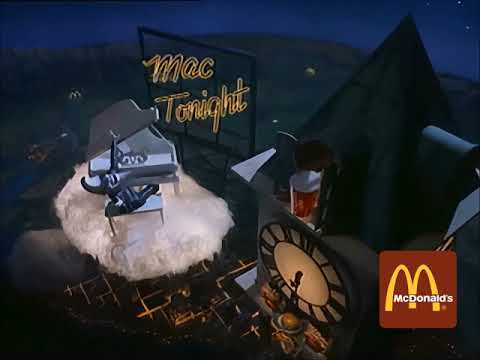
(Note: The link currently shows limited metadata; searching "Mac Tonight commercial" on YouTube will lead to official and archival versions.)
Jack in the Box – Absurd Humor Campaigns
Concept: Miniature cowboys, “Philly Cousins,” and the perpetually perplexed Jack mascot populated a universe of sustained absurdity. The ads made no pretense of product demonstration; they existed purely in the realm of weird.
Impact: Cult following among younger demographics. Jack in the Box proved that a regional chain could develop national cultural relevance through consistent comedic identity
📊 Table: Funny Fast Food Ads
| Wendy’s | Where’s the Beef? (1984) | Catchphrase-driven, relatable indignation | Entered political discourse and everyday language |
| Burger King | Wake Up With the King (2000s) | Surreal, unsettling, intruder comedy | Viral pre-social media, iconic mascot |
| Taco Bell | Yo Quiero Taco Bell (1997–2000) | Quirky talking animal, earnest desire | 1990s pop culture icon, merchandise empire |
| Quiznos | Spongmonkeys (2004) | Absurdist, crude animation, earworm jingle | Proto-internet meme, cult obsession |
| McDonald’s | Mac Tonight (1980s) | Musical surrealism, jazzy oddity | Nostalgic cult following, meme revival |
| Jack in the Box | Mini Cowboys/Philly Cousins | Sustained absurdity, mascot-driven | Differentiated brand through pure weirdness |
Expert Analysis: Why These Campaigns Worked
Authenticity: The most successful funny ads aligned humor with product truth. Wendy’s “Where’s the Beef?” worked because it dramatized a genuine competitive advantage. The laughter was not a distraction from the promise; it was the delivery mechanism.
Risk-Taking: Quiznos and Burger King embraced humor that risked alienating conservative viewers. Both brands understood that in a crowded category, being disliked by some is preferable to being ignored by all.
Pop Culture Integration: Taco Bell’s Chihuahua and McDonald’s Mac Tonight did not merely reference pop culture; they became pop culture. Their images and catchphrases circulated independently of paid media, generating years of free publicity.
Virality Before Algorithms: These campaigns achieved virality through organic means—watercooler conversation, late-night parodies, newspaper columns. They proved that shareability is not a function of technology but of emotional impact.
Strategic Timing: Wendy’s launched “Where’s the Beef?” during a period when competitors emphasized bun size over patty weight. Quiznos introduced the Spongmonkeys when toasted subs genuinely differentiated the brand. Humor amplified relevance; it did not manufacture it.
Broader Cultural Significance
Advertising History: These campaigns are studied as milestones in the evolution of television advertising. They represent the transition from hard-sell product demonstration to soft-sell brand personality.
Pop Culture: Catchphrases from fast food commercials have entered dictionaries, political speeches, and comedy routines. “Where’s the Beef?” is not remembered as an advertising slogan; it is remembered as a cultural artifact.
Consumer Psychology: Humor lowers consumer defenses. A viewer laughing at a commercial is not mentally cataloging objections or comparing prices. They are experiencing positive affect, which transfers to the brand.
Global Reach: While some campaigns faced criticism for cultural insensitivity—particularly Taco Bell’s Chihuahua—their memorability is undeniable. The best funny ads transcend national borders through visual comedy and universal situations.
Conclusion / The Legacy of Funny Fast Food Ads
Funny fast food commercials are not merely effective advertising; they are time capsules. Clara Peller’s indignant squint, the Chihuahua’s plaintive “Yo quiero,” the Spongmonkeys’ deranged serenade—these moments preserve not just marketing strategies but entire eras of American popular culture.
The legacy of these campaigns is a permanent reminder that in advertising, emotion always outperforms information. Laughter builds memory. Surprise builds attention. Personality builds preference.
Wendy’s, Burger King, Taco Bell, Quiznos, McDonald’s, and Jack in the Box each discovered the same truth: when you make someone laugh, you are not just selling a product. You are earning a relationship.
And sometimes, you are also teaching the world a new catchphrase.
🎥 Iconic Funny Fast Food Ads on YouTube (Raw Links)
Burger King “Wake Up With the King”:
 Watch YouTube video
Wendy’s “Where’s the Beef?” (1984):
Watch YouTube videoTaco Bell Chihuahua “Yo Quiero Taco Bell”:
Watch YouTube videoQuiznos Spongmonkeys (2004):
Watch YouTube videoMcDonald’s “Mac Tonight”:
Watch YouTube video
Discover the full cast of the X Town Square ad, featuring diverse talents and engaging performances that bring the campaign to life. Explore now!
Discover the catchy song featured in the HP Work from Anywhere commercial. Uncover the artist and lyrics that make this ad memorable and engaging.
Discover effective strategies for conducting market research to enhance your campaigns. Learn how to gather insights that drive successful marketing decisions.

Discover the legacy of Coca-Cola's "Open Happiness" campaign, exploring its impact on branding, culture, and consumer connection throughout the years.

Discover how celebrities shape high-end advertising, influencing trends and consumer behavior. Explore the intersection of fame and luxury branding.

Discover Salma Hayek's influential role in cosmetics ads, showcasing her beauty and charisma while redefining beauty standards in the industry.

Discover the captivating power of Morgan Freeman's voice in advertisements. Explore how his iconic narration enhances brand storytelling and engages audiences.

Discover how Citroën's innovative advertising campaigns have shaped cultural trends and influenced consumer behavior throughout the decades.

Discover the iconic songs that have defined Heineken commercials. Explore the music that enhances the brand's storytelling and captivates audiences worldwide.

Discover the allure of Gucci ads featuring iconic celebrities. Explore stunning visuals and captivating campaigns that redefine luxury fashion.

Discover Taco Bell's most memorable advertising slogans that have captured hearts and appetites. Explore the creativity behind their catchy phrases today!