

When you think of Robert De Niro, you think of Travis Bickle's taxi, not necessarily the one he's driving. You think of Jake LaMotta in the ring, not behind the wheel. Yet across five decades, one of Hollywood's most revered actors has maintained a parallel career in automotive advertising—a career that spans from obscure American Motors commercials in 1970 to a pan-European campaign for Kia's first mass-market electric vehicle in 2018.
De Niro's journey through car advertising is remarkable not despite his iconic status but because of it. His presence in these campaigns demonstrates how a legendary actor can lend credibility, humor, and cultural weight to products as mundane as sedans and as futuristic as EVs. This article explores why De Niro matters in automotive advertising, analyzes his landmark campaigns, and reveals how his involvement has shaped perceptions of both cars and celebrity endorsements.
Why Robert De Niro Matters in Automotive Advertising
H2: Star Power and Credibility
De Niro's reputation as one of the greatest actors in cinema history gives his endorsements unparalleled weight. When he appears in a commercial, he is not just a famous face; he is a cultural institution. This credibility transfers directly to the brands he represents, signaling that they operate at the highest level.
H2: Humor and Approachability
Perhaps surprisingly, De Niro's most effective automotive work has been comedic. His Kia campaigns leverage the contrast between his intense film persona and his willingness to playfully subvert it. The result is advertising that surprises, delights, and makes viewers reconsider both the actor and the product.
H2: Historical Continuity
De Niro's automotive commercials span nearly fifty years, from his pre-fame appearance in 1970 to his global stardom in 2018. This arc offers a unique lens on how celebrity endorsements have evolved—from straightforward testimonials to sophisticated, multi-platform campaigns.
H2: Cultural Resonance
De Niro embodies a specific kind of American masculinity: tough, principled, and quietly vulnerable. This persona resonates across demographics and geographies, allowing his campaigns to connect with audiences from the United States to Europe and beyond.
Landmark Campaigns
American Motors Ambassador (1970)
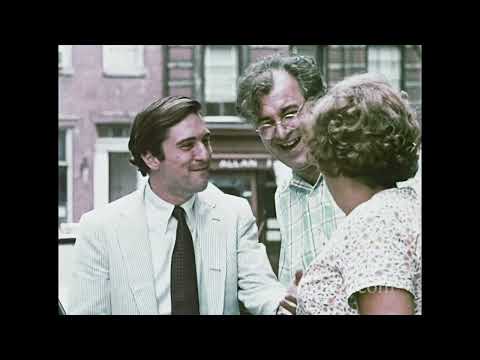
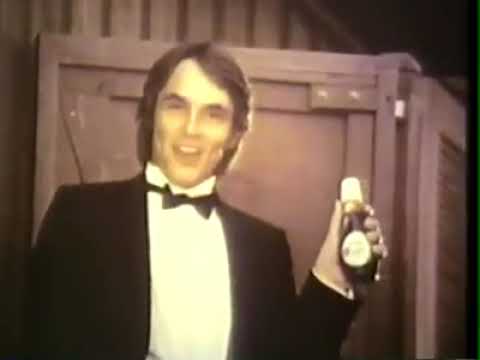
Context: Long before Mean Streets or The Godfather Part II, a 26-year-old De Niro appeared in commercials for the American Motors Ambassador sedan. The spots are unremarkable by modern standards—straightforward product demonstrations with period-appropriate voiceovers—but historically invaluable.
Significance: These rare commercials capture De Niro at the threshold of stardom. They remind us that even the most celebrated actors once took whatever work was available. For advertising historians, they represent the intersection of Hollywood ambition and commercial necessity.
Impact: While the campaign did little for American Motors' flagging fortunes, it created a fascinating artifact. Decades later, these clips circulate among film buffs and advertising enthusiasts as a glimpse of greatness in gestation.
🎥 Watch the American Motors Ambassador commercial (1970) here:
🎥 Watch another vintage De Niro car commercial (1970) here:
Kia e-Niro (2018–2019)
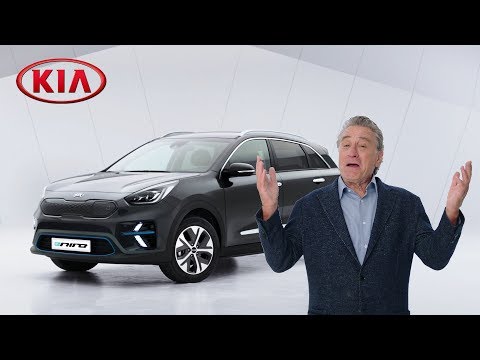
Context: Kia launched the e-Niro, its first long-range electric vehicle, with a pan-European campaign fronted by De Niro. The campaign debuted at the 2018 Paris Motor Show and spanned television, print, and digital platforms.
Concept: The ads playfully leveraged De Niro's iconic status. In one spot, he demonstrates the e-Niro's 485-kilometer range by embarking on a journey that seems designed to test his patience—and the car's capabilities. His deadpan delivery and subtle comedic timing make the technology feel accessible rather than intimidating.
Execution: The campaign emphasized that electric vehicles need not sacrifice practicality or personality. De Niro's presence assured viewers that the e-Niro was a serious car for serious people, while his humor reminded them that serious people can also have fun.
Impact: The campaign successfully introduced Kia's EV to European audiences at a crucial moment in the continent's transition to electric mobility. It demonstrated that legacy Hollywood stars could effectively promote cutting-edge technology by bridging familiarity and innovation.
🎥 Watch the Kia e-Niro campaign teaser (2018) here:
🎥 Watch the full Kia e-Niro campaign (2019) here:
https://www.youtube.com/watch?v=9LLNHtYffl
📊 Table: Robert De Niro in Automotive Advertising
| 1970 | American Motors Ambassador | Straightforward product demonstration | Rare footage of De Niro before stardom, historical artifact |
| 2018–2019 | Kia e-Niro | Humor, eco-friendly electric vehicle, long-range capability | Pan-European campaign, boosted EV awareness, made technology approachable |
Expert Analysis: Why These Campaigns Worked
Gravitas Meets Humor: De Niro's Kia campaigns succeeded because they understood the power of contrast. His film persona is so associated with intensity that seeing him playfully deadpan about an electric car creates genuine surprise. The humor lands because it subverts expectations.
Celebrity Endorsement Power: In the competitive EV market of 2018, Kia needed to differentiate itself from both legacy automakers and new entrants. De Niro's involvement signaled that the e-Niro was a serious contender, backed by someone who doesn't lend his name lightly.
Historical Continuity: The juxtaposition of De Niro's 1970 American Motors spots with his 2018 Kia campaign illustrates how celebrity endorsements have evolved. The earlier ads are functional; the later ones are narrative. This evolution mirrors advertising's broader shift from demonstration to storytelling.
Cultural Impact: De Niro's Kia ads became talking points not just in automotive circles but in popular culture. They were shared, discussed, and remembered—proof that a great celebrity campaign can achieve reach far beyond paid media.
Authenticity: De Niro does not appear in commercials often. This selectivity makes his appearances events. Audiences understand that if he agreed to represent Kia, there must be genuine conviction behind the decision.
Broader Cultural Significance
Advertising History: De Niro's automotive campaigns are studied as examples of how prestige actors can elevate product advertising. They demonstrate that celebrity endorsements need not be transactional; they can be cultural contributions.
Pop Culture: The Kia e-Niro spots entered the broader conversation about electric vehicles at a pivotal moment. By using humor and star power, they helped normalize EV adoption for audiences who might otherwise have been skeptical.
Consumer Psychology: De Niro's credibility reassures consumers. For a new technology like electric vehicles, this reassurance is invaluable. Potential buyers think: if De Niro trusts it, perhaps I can too.
Global Reach: De Niro's international recognition ensured the Kia campaign resonated across Europe's diverse markets. His face needed no translation, and his persona—tough but fair, serious but playful—transcended cultural boundaries.
Conclusion / The Legacy of De Niro in Automotive Ads
Robert De Niro's journey through automotive advertising is a study in contrasts: the young unknown in a forgettable sedan commercial, the global icon in a campaign for the future of mobility. Yet these two moments are connected by something consistent: De Niro's presence, even in his earliest work, commands attention.
His Kia e-Niro campaign demonstrated that legendary actors can do more than lend their faces to products. They can lend their personas, their credibility, and their cultural weight. They can make new technology feel familiar and serious subjects feel approachable.
The legacy of De Niro in automotive advertising is the proof that when a true icon endorses a product, the product becomes, by association, iconic too. Whether it's a 1970 Ambassador or a 2018 e-Niro, the car in a De Niro commercial is never just a car. It's a character in his ongoing story.
And audiences, as always, are happy to go along for the ride.
🎥 Robert De Niro Automotive Ads on YouTube (Raw Links)
Robert De Niro – Kia e-Niro Teaser (2018):
 Watch YouTube video
Robert De Niro – Kia e-Niro Campaign (2019):
Watch YouTube videoRobert De Niro – American Motors Ambassador Commercial (1970):
Watch YouTube videoRobert De Niro – Vintage Car Commercial (1970):
Watch YouTube video

Explore Renault's significant influence on European advertising, showcasing innovative campaigns that shaped cultural narratives and consumer perceptions.

Explore the captivating world of Pepsi ads and their iconic musical collaborations. Discover how music elevates brand storytelling and engages audiences.

Discover the allure of Prada ads featuring Hollywood's biggest stars. Explore iconic campaigns that blend luxury fashion with celebrity glamour.

Discover Burger King’s most creative slogans that have captivated audiences. Explore the clever wordplay and memorable phrases behind their iconic ads.

Discover how Huawei's innovative mobile campaigns are reshaping the global market, driving engagement, and setting new industry standards.

Discover how Netflix masterfully uses comedy in its advertising strategies to engage audiences and enhance brand recognition. Explore the art of humor in marketing.

Discover the powerful Adidas ads that have inspired athletes globally. Explore iconic campaigns that motivate and elevate sports performance worldwide.

Discover how Panasonic's innovative advertising strategies revolutionized technology marketing, setting new standards and inspiring future campaigns.