

In the world of advertising, most slogans have the lifespan of an insect. They appear, buzz for a season, and disappear forever. But there are exceptions that transcend their commercial purpose to become part of language and culture. "Have a break, have a KitKat" is one of those exceptions.
Since its introduction in the United Kingdom in 1957, this simple phrase has endured for over seven decades. It hasn't just sold millions of chocolate bars; it has shaped a brand's identity, adapting to cultural and technological changes without losing its essence. In an increasingly accelerated world, the invitation to "take a break" is more relevant than ever.
This article explores the slogan's origins, its evolution through the decades, and how KitKat has used creative advertising to keep its perfect pause alive.
Origins of the Slogan
H2: The 1950s Launch
In 1957, the J. Walter Thompson advertising agency introduced a phrase that would forever change the destiny of a chocolate bar: "Have a break, have a KitKat." In post-war Britain, where people were seeking small moments of comfort amid reconstruction, the idea of a pause to enjoy a sweet treat resonated deeply.
H2: Global Expansion
By the 1980s, KitKat had become a global brand. The slogan traveled with it, being translated and adapted into dozens of languages and cultures. In Japan, for example, it became a phenomenon due to its association with good luck, but the core message—take a break—remained intact. The universality of the need for a pause proved to be the brand's most valuable asset.
Iconic Campaigns Across Decades
1980s–1990s: Classic TV Spots
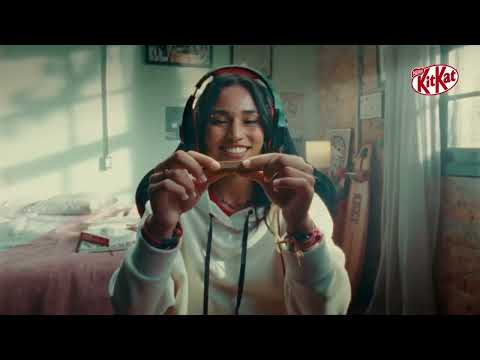
Concept: The ads showed everyday scenes anyone could relate to: stressed office workers, exhausted students, laborers on a break. A simple gesture—snapping off a KitKat finger—was the visual reward for accumulated tension.
Impact: The slogan became embedded in popular culture. The association between KitKat and taking a break became automatic and unquestionable.
🎥 Watch a classic 1980s ad here:
2000s: Experiential Marketing
Concept: KitKat brought the idea of the "break" from the TV screen into real life with a series of ingenious activations:
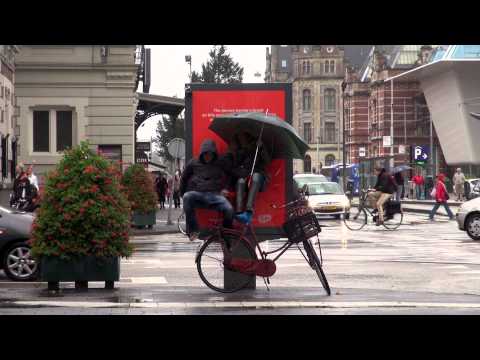
Billboard Break: On a billboard, workers left their tools mid-task and disappeared, simulating having taken a break.
No WiFi Zone: In public places, KitKat created zones where internet signals were blocked, forcing people to disconnect and rest.
Have a Seat: Benches shaped and colored like KitKat were installed at bus stops and public spaces, inviting people to sit down and pause.
Impact: These campaigns transformed the slogan into a tangible experience. They didn't just say "take a break"; they created the conditions to do so.
🎥 Watch the "No WiFi Zone" case study here:

🎥 Watch the "Have a Seat" campaign here:
2010s: Digital Integration
Concept: KitKat connected its slogan to digital culture. Campaigns encouraged people to take breaks from WiFi, social media, and constant multitasking.
Milestone: In 2013, KitKat reached the peak of tech relevance when Google named its Android 4.4 operating system "KitKat." The marketing partnership was a masterclass in brand association, forever linking the concept of a "break" with the tech world.
2020s: Break Better
Concept: In the 2020s, KitKat diagnosed a new problem: breaks are under attack. Notifications, emails, and constant pressure to be connected interrupt even our pause moments. The "Break Better" campaign advocated for quality, genuine, uninterrupted breaks.
Execution: Using Queen's song "I Want to Break Free" as the soundtrack was a stroke of genius. The song, an anthem about liberation, took on new meaning in the context of digital pauses.
Impact: Modernized the concept of "break" for a new generation, proving that the need for authentic pauses is more urgent than ever.
🎥 Watch the "Break Better" campaign (2024) here:

📊 Table: KitKat's "Have a Break" Campaign Legacy
| 1950s–70s | Original slogan ads | Everyday pause, indulgence | Established global brand identity |
| 1980s–90s | Classic TV spots | Humor, relatable breaks | Cemented slogan in pop culture |
| 2000s | Billboard Break, No WiFi Zone | Humor, real-life breaks | Reinforced cultural relevance |
| 2010s | Benches, Google Android partnership | Digital culture, tech relevance | Connected brand to modern lifestyles |
| 2020s | Break Better, Queen soundtrack | Digital culture, music | Modernized the break concept |
Expert Analysis
Timelessness: Few slogans last over 70 years. "Have a Break" has achieved this because it touches a fundamental and universal human need: the need for a pause. It doesn't depend on passing fads but on a biological and psychological truth.
Cultural Adaptability: KitKat's genius has been to constantly reinterpret what "taking a break" means. In the 80s, it was a respite from physical work. In the 2020s, it's a disconnection from digital noise. The packaging changes, but the inner product (the message) remains the same.
Experiential Innovation: KitKat understood that it wasn't enough to say "take a break." It had to create it. The bench campaigns, WiFi-free zones, and interactive billboards turned the slogan into a lived reality, not just a heard phrase.
Global Resonance: From Caracas to London, from Tokyo to Paris, the invitation to pause is understood. KitKat's slogan is one of the few that has managed to transcend language and cultural barriers, becoming a truly universal message.
Broader Cultural Significance
Advertising History: "Have a Break, Have a KitKat" is studied in marketing schools worldwide as an example of brand consistency and adaptability. It demonstrates that a core message can evolve without losing its essence.
Pop Culture: The slogan has appeared in countless films, TV shows, and everyday conversations. It's part of the common vocabulary, a status few brands achieve.
Brand Identity: KitKat is inseparable from the concept of "break." This association is so strong that the product has become the symbol of a human need, not just a candy.
Consumer Psychology: KitKat ads work because they don't appeal to greed but to a deeper need: the need to stop. By satisfying this emotional need, the brand creates a much stronger bond than any argument about the taste of chocolate could create.
Conclusion / The Legacy of "Have a Break"
The legacy of "Have a Break, Have a KitKat" is a masterclass in consistent yet adaptable branding. For over seven decades, KitKat has understood that its product is not just a chocolate bar, but a permission to pause.
By evolving the meaning of "breaks" across decades—from workplace humor to digital detox—the brand has ensured its slogan remains relevant, memorable, and culturally powerful.
The campaign proves that advertising can transcend commerce to become part of cultural identity. In a world that never stops, KitKat reminds us of the value of doing exactly that. And for that reminder, we are, collectively, grateful.
🎥 Iconic KitKat "Have a Break" Ads on YouTube (Raw Links)
KitKat UK – Classic "Have a Break, Have a KitKat" Ad (1980s):
 Watch YouTube video
KitKat – "No WiFi Zone" Experiential Campaign:
Watch YouTube videoKitKat – "Have a Seat" Bench Campaign:
Watch YouTube videoKitKat – "Break Better" (2024, with Queen's "I Want to Break Free"):
Watch YouTube video
Discover the stars behind the iconic KitKat "Give Me a Break" commercial. Uncover the faces that bring this beloved ad to life and their roles.

Explore Nike's groundbreaking campaigns in men's sports advertising, showcasing innovation, inspiration, and the power of athletic performance.

Discover the most iconic Super Bowl campaigns of the 2000s, showcasing unforgettable ads that shaped pop culture and marketing strategies.

Discover how your favorite celebrities light up Christmas advertising campaigns. Explore their roles and the magic they bring to holiday marketing.

Discover the iconic actors who have represented top fashion brands, blending celebrity allure with high fashion in unforgettable campaigns.

Discover Denzel Washington's impactful role in humanitarian ads, showcasing his commitment to social causes and inspiring change through powerful messaging.

Discover the elegance of Nicole Kidman in Chanel perfume ads, showcasing her timeless beauty and captivating presence in the world of luxury fragrance.
Discover how Fiat ads have shaped cultural trends and influenced consumer behavior, blending creativity with marketing to leave a lasting impact.

Discover the iconic actors who shaped automotive advertising in the 2000s. Explore their memorable roles and the impact they had on car marketing.