

In the pantheon of automotive advertising, most brands compete on the same terrain: speed, luxury, status. Volvo has always taken a different road. For over six decades, the Swedish automaker has built its identity around something far more profound—safety, family, and human values.
This unique positioning has not only differentiated Volvo in a crowded market but has also influenced cultural attitudes toward automobiles. Volvo's advertising has helped normalize seatbelt use, reframe cars as protectors of life, and align automotive marketing with sustainability and emotional responsibility. This essay explores Volvo's advertising journey decade by decade, analyzing how campaigns influenced culture, reinforced values, and differentiated the brand globally.
📜 Early Safety Campaigns (1960s–1970s)
The Innovation: In 1959, Volvo engineer Nils Bohlin invented the three-point seatbelt—a life-saving device that the company famously made available to all automakers for free. This decision alone cemented Volvo's commitment to safety over profit.
The Advertising: Throughout the 1960s and 1970s, Volvo's ads promoted seatbelt use with a combination of crash test demonstrations and family-centric scenarios. The message was simple but powerful: Volvos are designed to protect what matters most.
The Impact: These campaigns helped normalize seatbelt adoption worldwide, influencing both consumer behavior and legislation. Volvo didn't just sell cars; it sold a philosophy of responsibility that resonated across generations.
🎥 Watch vintage Volvo safety campaigns here:

🏠 Family Values and Durability (1980s–2000s)
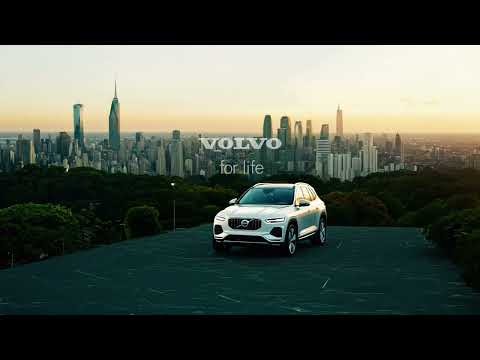
The Evolution: As Volvo's reputation for safety became established, advertising shifted to emphasize durability and family values. The "For Life" campaign, launched in the 2000s, encapsulated this ethos perfectly.
The Message: Ads focused on reliability, longevity, and emotional reassurance. Volvos weren't just cars you bought; they were cars you kept—vehicles that would protect your family through years of road trips, commutes, and life's unexpected moments.
The Impact: The campaign reinforced Volvo's identity as a brand for people who value long-term trust over short-term status. It appealed to parents, professionals, and anyone who saw their car as a partner in life's journey, not just a possession.
🎥 Watch the "For Life" campaign here:
🎬 Viral Storytelling (2010s)
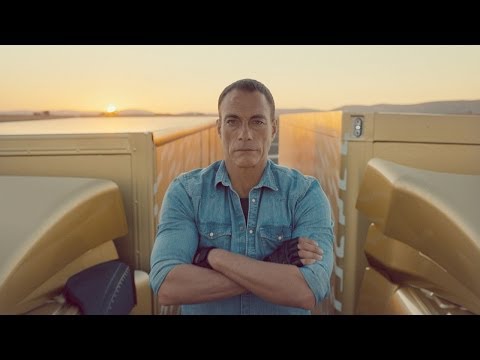
Volvo Trucks – "Epic Split" with Jean-Claude Van Damme (2013)
The Concept: In one of the most viral automotive ads ever created, action star Jean-Claude Van Damme performed a split between two reversing Volvo trucks. The spot was shot in a single take, with Enya's ethereal "Only Time" providing the soundtrack.
The Message: The ad was a stunning demonstration of Volvo's precision steering and stability. But it was also something more—a piece of art that transcended its commercial purpose.
The Impact: The video garnered over 100 million views in its first week, becoming a cultural phenomenon. It proved that Volvo could balance its serious safety reputation with creativity, humor, and sheer spectacle. The "Epic Split" remains one of the most shared automotive ads in history.
🎥 Watch the "Epic Split" here:
🌍 Human Values and Sustainability (2020s–Present)
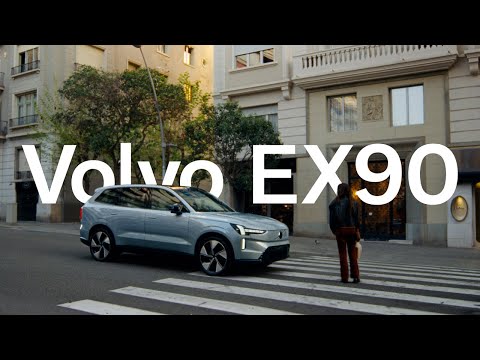
Volvo EX90 – Human Values Campaign (2024)
The Concept: Directed by Hoyte Van Hoytema, the acclaimed cinematographer of Interstellar and Oppenheimer, this nearly four-minute film tells the story of a man discovering he will become a father. The narrative is interwoven with Volvo's safety technology, LiDAR systems, and electric performance features.
The Message: The ad connects Volvo's engineering innovations with the most fundamental human experience—the desire to protect a child. It's not about horsepower or acceleration; it's about the peace of mind that comes from knowing your family is safe.
The Impact: Critics praised the campaign as a "masterclass in connecting with human values." It sparked conversations about the role of technology in protecting life and positioned Volvo at the intersection of safety, sustainability, and emotional storytelling.
🎥 Watch the EX90 "Human Values" campaign here:
📊 Comparison Table: Volvo Campaigns
| 1960s–70s | Seatbelt Campaign | Safety innovation |  Watch YouTube video |
| 2000s | For Life | Durability, family |  Watch YouTube video |
| 2013 | Epic Split (Van Damme) | Precision, stability | Watch YouTube video |
| 2024 | EX90 Human Values | Safety, sustainability, emotion | Watch YouTube video |
🌍 Cultural Impact of Volvo Ads
Redefining Car Culture: Volvo's advertising shifted the automotive conversation from speed and status to safety and responsibility. This influence extended beyond the brand, encouraging competitors to invest more heavily in safety features and messaging.
Family Values: By consistently emphasizing protection and reliability, Volvo's ads resonated with universal themes of love and care. The brand became synonymous with the idea that a car's most important job is to bring you home safely.
Sustainability: Modern campaigns highlight electric performance and eco-friendly materials, aligning Volvo with cultural shifts toward environmental responsibility. The EX90 campaign, in particular, positions electric vehicles not as a compromise but as an enhancement of safety and family values.
Social Media Resonance: Volvo's willingness to create long-form, emotionally complex ads (like the nearly four-minute EX90 film) broke conventional marketing rules. Yet these ads gained viral praise precisely because they respected the audience's intelligence and emotional depth.
🔎 Expert Analysis
Volvo's ads succeed because they merge product innovation with cultural storytelling. They don't just sell features; they sell meaning.
Safety campaigns influenced legislation and normalized protective driving habits. By making safety aspirational, Volvo changed consumer expectations.
Viral storytelling (like the "Epic Split") showed Volvo could balance seriousness with creativity. The brand proved that responsibility doesn't have to be boring.
Modern campaigns emphasize sustainability, aligning with global cultural priorities. Volvo positions itself as a brand for the future, not just the past.
⚠️ Risks & Challenges
Polarization: Some campaigns, like the EX90's pro-life undertones, can spark debate about cultural messaging. Volvo must navigate these sensitivities carefully.
Competition: Luxury brands emphasize glamour, while Tesla dominates tech narratives. Volvo must balance its values-based positioning with tangible innovation.
Consistency: Maintaining authenticity while adapting to new cultural contexts is critical. Volvo's long-term commitment to safety helps, but each campaign must feel fresh.
📜 Decade-by-Decade Context
1960s–1970s: Safety Innovation
Volvo's seatbelt campaigns influenced global culture and legislation, establishing the brand as a safety pioneer.
1980s–2000s: Family & Durability
The "For Life" campaign emphasized reliability and emotional reassurance, reinforcing Volvo's identity as a protector of families.
2010s: Viral Creativity
The "Epic Split" became a cultural phenomenon, blending humor, artistry, and engineering in a way that captured global attention.
2020s: Human Values & Sustainability
The EX90 campaign highlights safety, family, and eco-friendly innovation, positioning Volvo at the intersection of technology and humanity.
Conclusion
Volvo's advertising has influenced culture by making safety and human values central to car marketing. From pioneering seatbelt campaigns to emotionally charged narratives like the EX90, Volvo has reshaped how audiences view automobiles—not as luxury items or status symbols, but as protectors of life and family.
The brand's consistent emphasis on authenticity, durability, and sustainability has built a cultural legacy that transcends advertising. Volvo's campaigns prove that cars can symbolize responsibility and care, influencing not just consumer choices but societal values.
In a world increasingly defined by speed and spectacle, Volvo's quiet insistence on what really matters—protecting the people we love—stands as a powerful reminder that the best advertising doesn't sell products. It sells meaning. And meaning, unlike horsepower, never depreciates.
Discover Volvo's innovative advertising journey in safety campaigns, showcasing their commitment to protecting lives and redefining automotive safety standards.

Explore the captivating world of Sprite ads and their iconic soundtracks. Discover how music enhances brand storytelling and resonates with audiences.

Discover Zara's captivating ads featuring renowned celebrities. Explore the latest fashion trends and star-studded campaigns that inspire your style.

Discover the most memorable slogans from Dunkin’ Donuts that have captured hearts and taste buds. Explore the catchy phrases that define a brand!

Explore Dell's innovative journey in technology advertising, showcasing how the brand has evolved and influenced the tech landscape over the years.

Discover how Uber leverages innovative advertising strategies to communicate its brand evolution and engage customers effectively. Explore the impact of their ads.

Discover how Adidas commercials revolutionized sports marketing, showcasing iconic campaigns that defined athletic branding and inspired generations of fans.

Explore the rich history of HP advertising and its impactful global campaigns. Discover how HP has shaped marketing strategies over the decades.

Explore the impactful global campaigns of the 2010s that shaped social movements, influenced culture, and sparked change across the world.