

Few brands in the world of luxury have achieved the cultural resonance of Chanel, and no product embodies this better than Chanel No. 5. Since its revolutionary launch in 1921, Chanel's perfume advertising has evolved from minimalist print campaigns to cinematic masterpieces featuring the world's biggest Hollywood stars. Each era reflects not only the brand's identity but also broader cultural shifts in fashion, film, and consumer behavior.
This article traces the decade-by-decade evolution of Chanel perfume ads, highlighting iconic campaigns, legendary celebrity endorsements, and the enduring strategies that have kept Chanel at the forefront of luxury advertising for over a century.
1920s–1950s: The Birth of Chanel No. 5 and the Creation of Mystique
Launch (1921): Chanel No. 5 was revolutionary, created by perfumer Ernest Beaux as the first "abstract" fragrance, a complex aldehyde composition that didn't simply smell like a single flower. Early marketing reflected this modernity, with minimalist print ads emphasizing the fragrance's name and its simple, geometric bottle.
Strategy: The strategy was to emphasize exclusivity and modernity, appealing to the new generation of independent, forward-thinking women emerging in the post-World War I era. It was a scent for the woman who lived life on her own terms.
Iconic Moment: The perfume's mystique was forever cemented in 1954 when Marilyn Monroe, in a legendary interview, famously declared that she wore "nothing but a few drops of Chanel No. 5 to bed." This single, whispered confession transformed the fragrance into an enduring symbol of sensuality, allure, and intimate glamour, a piece of cultural mythology that no advertising budget could buy.
YouTube reference:
 Watch YouTube video
1960s–1980s: Cinematic Experimentation and Artistic Alliances
Catherine Deneuve (1970s): In the 1970s, Chanel chose the iconic French actress Catherine Deneuve as the face of Chanel No. 5. Deneuve, with her cool, sophisticated beauty and embodiment of French elegance, was the perfect muse. Her association with the brand reinforced its connection to high culture, style, and a distinctly Parisian sensibility.
Ridley Scott (1979): Marking a pivotal shift toward cinematic ambition, Chanel hired a young Ridley Scott, fresh off the success of Alien, to direct a television commercial for No. 5. The result was "La Piscine" (The Pool), a surreal, visually stunning short film that was more art house cinema than product advertisement. It set a new standard for what a perfume commercial could be.
Impact: This era firmly established that Chanel's advertising would be aligned with art and film. The commercials were no longer just selling a scent; they were creating a world, a mood, and a piece of cinematic art.
YouTube reference:
Watch YouTube video
1990s–2000s: The Hollywood Blockbuster Era
Nicole Kidman (2004): Directed by the flamboyant and visionary Baz Luhrmann (Moulin Rouge!), the 2004 campaign for Chanel No. 5, titled "Le Film," was a true cultural event. With a staggering budget reported at $33 million, it was a three-minute mini-movie starring Nicole Kidman as a beautiful, world-weary actress who escapes her glamorous life for a fleeting romance with a struggling writer (Rodrigo Santoro).
Audrey Tautou (2009): Following Kidman, Chanel cast the beloved French actress Audrey Tautou (Amélie) in "Train de Nuit" (Night Train), a campaign that returned to a more intimate, romantic, and distinctly French style of storytelling. It linked Chanel No. 5 to the romance of train travel and a more understated, classic elegance.
Impact: These campaigns elevated perfume advertising to the level of blockbuster Hollywood productions. They blurred the line between commercial and cinema, generating massive media buzz and becoming cultural events in their own right.
YouTube references:
Nicole Kidman:
Watch YouTube videoAudrey Tautou:
Watch YouTube video
2010s–2020s: Digital Storytelling and Modern Iconography
Keira Knightley (2011): For the Coco Mademoiselle fragrance, Chanel enlisted British actress Keira Knightley. Her campaigns emphasized a spirit of independence, playful energy, and modern allure, appealing to a new generation of confident, active women. Knightley's image was less about unattainable movie-star glamour and more about dynamic, contemporary chic.
Lily-Rose Depp (2016): As the face of L'Eau No. 5, a fresher interpretation of the classic, Lily-Rose Depp represented the perfect bridge between the brand's rich heritage and the energy of youth culture. She embodied a new generation discovering the timeless allure of Chanel.
Margot Robbie (2023): The appointment of Australian actress and producer Margot Robbie as the latest ambassador for Chanel No. 5 reflects a continued strategy of blending timeless Chanel elegance with modern, global celebrity appeal. Her campaign, "See You at 5," reimagines the fragrance's iconic status for a contemporary audience, focusing on the intimate, personal moments the scent accompanies.
Impact: These campaigns masterfully adapted to the digital age, with content designed for social media and viral sharing, while never compromising the brand's core values of elegance, mystery, and cinematic storytelling.
YouTube references:
Keira Knightley:
Watch YouTube videoLily-Rose Depp:
Watch YouTube videoMargot Robbie:
Watch YouTube video
📊 Comparison Table: Chanel Perfume Ads Evolution
| 1920s–50s | Marilyn Monroe | Print ads / Legend | Sensual mystique | 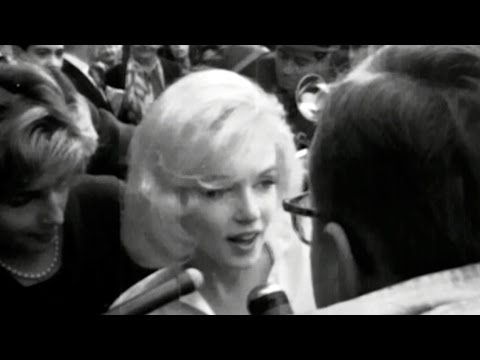 Watch YouTube video |
| 1970s–80s | Catherine Deneuve / Ridley Scott | La Piscine | Cinematic sophistication | 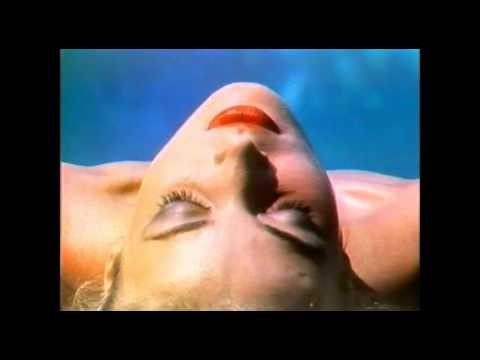 Watch YouTube video |
| 2000s | Nicole Kidman / Baz Luhrmann | Le Film | Hollywood blockbuster glamour | 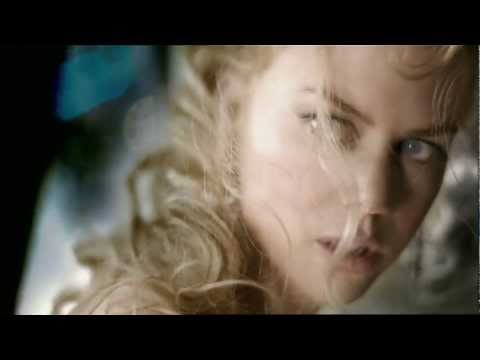 Watch YouTube video |
| 2009 | Audrey Tautou | Train de Nuit | French romance & intimacy |  Watch YouTube video |
| 2010s | Keira Knightley | Coco Mademoiselle | Independence & modern allure |  Watch YouTube video |
| 2016 | Lily-Rose Depp | L'Eau No. 5 | Youth & heritage |  Watch YouTube video |
| 2023 | Margot Robbie | See You at 5 | Modern elegance & intimacy |  Watch YouTube video |
Decade-by-Decade Analysis
1920s–1950s: Establishing Mystique
Chanel's early advertising was minimalist, reflecting Coco Chanel's own philosophy of elegance through simplicity and restraint. The accidental, yet powerful, association with Marilyn Monroe gave No. 5 a sensual aura and a piece of cultural mythology that would transcend all future marketing.
1960s–1980s: The Turn to Artistic Experimentation
The collaboration with Catherine Deneuve and director Ridley Scott marked a decisive shift toward cinematic storytelling. Ads became ambitious short films, consciously aligning the Chanel brand with high art, cinematic innovation, and sophisticated French culture.
1990s–2000s: The Hollywood Blockbuster Era
Baz Luhrmann's "Le Film" starring Nicole Kidman was a definitive turning point. With production values rivaling major motion pictures, Chanel perfume commercials became highly anticipated cultural events in their own right, generating press and conversation far beyond the traditional advertising sphere.
2010s–2020s: Digital Intimacy and Inclusive Storytelling
Keira Knightley's campaigns emphasized a new kind of feminine independence, while Lily-Rose Depp connected Chanel to a younger, digitally-native generation. Margot Robbie's latest campaign reflects a strategy of blending heritage with modern, global celebrity appeal, focusing on intimate, shareable digital stories.
Cultural Impact
Consistency: Through all these changes, Chanel has maintained an unwavering commitment to timeless elegance, even as it masterfully adapts its storytelling to each new cultural era.
Innovation: The brand's advertising has evolved seamlessly from simple print ads to epic cinematic films and now to intimate, digitally-driven narratives, always staying ahead of the curve.
Celebrity Power: Each era has leveraged the perfect iconic figure—from Monroe's sensual legend to Deneuve's sophisticated grace and Kidman's Hollywood glamour—to embody the evolving values of the Chanel woman.
Global Resonance: Chanel's advertising campaigns have consistently transcended their commercial purpose to become cultural milestones, influencing both the worlds of fashion and film for over a century.
🔎 Expert Analysis
Strengths: Chanel's advertising genius lies in its perfect balance of honoring a rich heritage while relentlessly pursuing innovation, ensuring its relevance across generations of consumers.
Differentiation: Unlike other luxury brands, Chanel treats its advertising as cultural artifacts—pieces of art and storytelling—rather than just marketing tools designed to drive short-term sales.
Future: The future of Chanel advertising will likely involve further integration of AI-driven personalization, the potential use of virtual influencers, and even more immersive, interactive digital storytelling experiences.
⚠️ Risks & Challenges
Overshadowing the Product: There is a constant risk that the sheer star power of its celebrity ambassadors could overshadow the fragrance itself, turning a campaign into a vehicle for the star rather than the product.
Maintaining Authenticity: As the brand evolves, its advertising must always feel true to Chanel's core heritage and values, avoiding the perception that it is cynically chasing trends.
Cultural Sensitivity: As a truly global brand, Chanel must ensure its campaigns, which often carry a strong French cultural identity, can resonate and translate appropriately across diverse international markets.
Conclusion
The evolution of Chanel perfume ads—from Marilyn Monroe's whispered confession of sensual mystique to Nicole Kidman's epic Hollywood glamour, and on to Margot Robbie's portrayal of modern, intimate elegance—is a masterclass in luxury branding. It shows how Chanel has consistently and successfully blended heritage with relentless innovation. These campaigns are not just advertisements; they are cultural milestones that have kept Chanel No. 5 the world's most iconic fragrance for over a century.
By consistently reinventing its advertising while staying unwaveringly true to its core values of elegance, mystery, and cinematic artistry, Chanel demonstrates that luxury branding is about more than selling products—it's about creating timeless cultural narratives that endure for generations.
Discover the stunning locations where the Chanel Beauty 2026 commercial was filmed. Uncover the artistry and inspiration behind this iconic campaign.
Discover the enchanting song featured in the Chanel No.5 holiday commercial. Uncover the melody that captures the essence of luxury and celebration.
Discover the classical song featured in the Chanel Super Bowl ad. Uncover its significance and how it enhances the brand's captivating message.

Discover the top actors making waves in fashion campaigns. Explore rankings, insights, and trends that highlight their influence in the fashion industry.

Discover the iconic personalities behind your favorite drink commercials. Explore the famous faces that have shaped advertising in the beverage industry.

Explore Will Smith's impactful presence in technology ads, showcasing his unique charisma and influence in the digital marketing landscape.

Discover the groundbreaking campaigns that transformed global advertising. Explore iconic ads and their impact on culture and consumer behavior.

Discover the most emotional car campaigns that tug at your heartstrings. Explore powerful stories and unforgettable moments that redefine automotive advertising.

Discover the groundbreaking campaigns that transformed streaming advertising. Explore innovative strategies and their impact on the digital marketing landscape.

Explore the evolution of Dior perfume campaigns through captivating ads that showcase the brand's timeless elegance and innovative storytelling.

Discover the most iconic summer campaigns from around the globe. Explore creative strategies that captivated audiences and defined seasons.