

Public reaction to Spotify shifted dramatically in early 2026 after reports surfaced that the platform had displayed recruitment ads from ICE (U.S. Immigration and Customs Enforcement). The situation sparked widespread debate, user frustration, and a wave of boycott calls across social media. While Spotify has faced controversies before—ranging from artist compensation to exclusive content deals—this incident triggered a different kind of public response, one tied to ethical concerns about advertising partnerships and brand responsibility.
The controversy gained visibility through online discussions, news coverage, and explanatory videos such as:
¿Por qué los usuarios están boicoteando Spotify?
 Watch YouTube video
Spotify enfrenta llamados al boicot por anuncios de reclutamiento de ICE
Watch YouTube videoReportaje sobre anuncios de ICE con bonos de contratación
Watch YouTube video
These videos helped shape public understanding of the issue and contributed to the rapid spread of boycott campaigns. This article examines the situation in depth, focusing on factual context, user reactions, Spotify’s advertising system, and the broader implications for digital platforms.
How the Controversy Began
The situation emerged when users reported seeing ICE recruitment ads while listening to Spotify’s free, ad‑supported tier. Screenshots and short clips circulated online, showing ads that promoted job openings at ICE, including references to hiring bonuses and career opportunities. The ads resembled standard recruitment campaigns but were tied to a government agency that has been the subject of public debate for years.
The first wave of reactions came from users who questioned how such ads ended up on Spotify. The platform’s advertising system uses automated placement tools, meaning ads can appear across a wide range of content unless specifically restricted. This raised questions about brand safety, ad targeting, and platform responsibility.
The video titled “Spotify enfrenta llamados al boicot por anuncios de reclutamiento de ICE” (

Why ICE Recruitment Ads Triggered a Strong Reaction
The reaction was not simply about the presence of government recruitment ads. It was about the specific agency involved and the sensitive nature of immigration enforcement. For many users, the appearance of ICE ads on a mainstream entertainment platform felt unexpected and unsettling.
Several factors contributed to the intensity of the response:
Emotional associations with immigration enforcement
Concerns about platform neutrality
Questions about whether Spotify knowingly approved the ads
The global nature of Spotify’s audience, many of whom may not be familiar with U.S. immigration agencies
The perception that entertainment platforms should avoid politically sensitive advertising
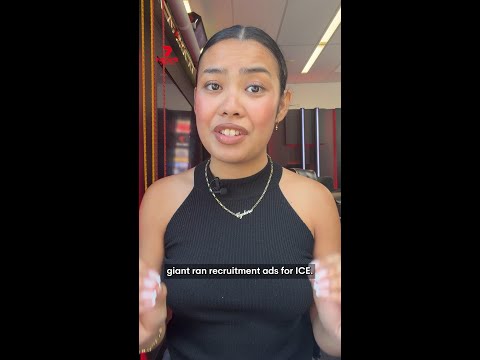
The video “¿Por qué los usuarios están boicoteando Spotify?” (
How Spotify’s Advertising System Works
Spotify operates on a dual‑tier model:
Premium subscribers pay for an ad‑free experience.
Free‑tier users listen to music with periodic ads.
The ads shown to free‑tier users come from a mix of:
Automated ad networks
Direct brand partnerships
Programmatic advertising systems
Programmatic ads are purchased through automated systems that place ads across multiple platforms simultaneously. This means Spotify may not manually approve every individual ad, especially when they come from large ad networks.
However, users often assume that any ad appearing on Spotify has been directly approved by the company. This disconnect between technical reality and public perception contributed to the backlash.
The Role of Programmatic Advertising in the Controversy
Programmatic advertising is designed for efficiency, not nuance. It allows advertisers to reach large audiences quickly, but it also increases the risk of ads appearing in unexpected places. In this case, ICE recruitment ads were likely part of a broader digital campaign that targeted general audiences across multiple platforms.
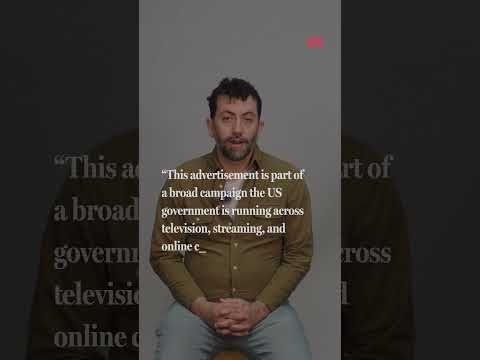
The report “Reportaje sobre anuncios de ICE con bonos de contratación” (
This raises important questions:
Should platforms manually filter sensitive government ads?
Should advertisers be allowed to target entertainment platforms?
How much control should users expect over the ads they see?
These questions became central to the public debate.
User Reactions and the Call for a Boycott
The boycott movement began on social media platforms where users expressed frustration and confusion. Many felt that Spotify should have prevented the ads from appearing, regardless of how they were placed.
Common themes in user reactions included:
Discomfort with seeing government enforcement ads during music streaming
Concerns about ethical advertising
Frustration with Spotify’s lack of immediate response
Calls for greater transparency in ad policies
Hashtags related to the boycott trended for several days, and some users encouraged others to cancel their subscriptions or switch to alternative platforms.
The video “¿Por qué los usuarios están boicoteando Spotify?” helped amplify these concerns by summarizing user sentiment and explaining why the ads were controversial.
Spotify’s Response
Spotify issued statements clarifying that:
The ads were part of a programmatic campaign.
They were not directly approved by Spotify’s internal team.
The company would review its ad filters to prevent similar incidents.
Spotify emphasized that it does not endorse the content of ads shown on its platform and that it aims to maintain a neutral advertising environment. However, for many users, the explanation did not fully address their concerns.
The controversy highlighted a broader issue: users expect platforms to curate ads with the same care they curate content, even when the underlying systems are automated.
The Broader Context: Advertising Ethics in the Digital Age
The Spotify‑ICE controversy is part of a larger conversation about advertising ethics. As digital platforms rely more heavily on automated ad systems, the risk of controversial placements increases.
Key ethical questions include:
Should platforms block ads from certain government agencies?
Should users have more control over the types of ads they see?
Should advertisers be required to disclose more information about their campaigns?
How should platforms balance neutrality with user comfort?
These questions do not have simple answers, but they are becoming increasingly important as digital advertising evolves.
How Other Platforms Have Handled Similar Situations
Spotify is not the first platform to face backlash over unexpected or controversial ads. Other examples include:
Social media platforms showing political ads during sensitive news cycles
Video platforms displaying ads next to inappropriate content
Streaming services running ads that conflict with user values
In many cases, platforms responded by tightening ad filters, increasing manual review, or allowing users to customize their ad preferences.
Spotify may need to consider similar measures to rebuild user trust.
Impact on Spotify’s Brand Image
The controversy affected Spotify’s public image in several ways:
Trust erosion among free‑tier users
Concerns about corporate responsibility
Increased scrutiny of advertising practices
Negative press coverage
While the long‑term impact remains uncertain, the incident highlighted the importance of transparency and user communication.
Why the Boycott Movement Gained Momentum
Several factors contributed to the rapid spread of the boycott movement:
Viral social media posts
Influencer commentary
News coverage
User‑generated videos explaining the issue
Existing frustrations with Spotify’s policies
The controversy tapped into broader concerns about digital privacy, corporate ethics, and the role of government advertising in entertainment spaces.
What Users Are Demanding
Users who support the boycott have expressed several demands:
Clearer ad policies
Greater transparency about programmatic advertising
The ability to block certain types of ads
Public acknowledgment of user concerns
Stronger content filters for sensitive topics
These demands reflect a growing expectation that platforms should prioritize user comfort and ethical considerations.
How the Controversy Affects Free vs. Premium Users
Premium users were not directly affected by the ads, as their subscription removes advertising entirely. However, the controversy still influenced their perception of the brand.
Free‑tier users, who rely on ads to access the platform, were the ones who encountered the ICE recruitment messages. This raised questions about whether ad‑supported models can coexist with user expectations for ethical advertising.
The Role of Media Coverage
Media coverage played a significant role in shaping public understanding of the controversy. News outlets highlighted:
The nature of the ads
The public reaction
Spotify’s response
The broader implications for digital advertising
The videos you provided also contributed to public awareness by explaining the situation in accessible terms.
Long‑Term Implications for Spotify
The controversy may lead to several long‑term changes:
Stricter ad filters
More manual review of sensitive ads
Greater transparency in ad partnerships
User‑controlled ad preferences
Reevaluation of programmatic advertising
Spotify may also need to invest in rebuilding trust with users who felt uncomfortable or misled.
The Future of Advertising on Streaming Platforms
The Spotify‑ICE incident highlights a broader trend: users expect more control and transparency in digital advertising. As streaming platforms continue to grow, they will need to balance:
Revenue from ads
User comfort
Ethical considerations
Brand safety
Regulatory compliance
This balance will shape the future of digital media.
Conclusion
The calls to boycott Spotify in 2026 stem from the appearance of ICE recruitment ads on the platform’s free tier. The controversy raised important questions about advertising ethics, platform responsibility, and user expectations. While Spotify clarified that the ads were part of a programmatic campaign, the incident highlighted the need for greater transparency and more robust ad filtering.
The three videos that helped explain and amplify the issue are:
- Watch YouTube video
- Watch YouTube video
- Watch YouTube video
The situation serves as a reminder that in the digital age, advertising is not just a revenue source—it is a reflection of a platform’s values, priorities, and relationship with its users.
Discover the deeper meaning behind Spotify's "Music for Every Mood" commercial. Explore how it connects emotions and music in a captivating way.
Discover the artist behind the captivating Spotify Wrapped campaign ad. Uncover their music journey and impact on the streaming world today.

Discover the full cast of the Beats 2026 global campaign commercial. Explore the talent behind the scenes and their roles in this exciting project.
Discover the star-studded lineup featured in the Tidal HiFi music ad. Uncover the artists and personalities that bring this campaign to life.

Discover the background song featured in the SoundCloud creator commercial. Uncover the artist and track details that enhance this captivating ad.

Discover the artist behind the catchy Pandora radio ad. Uncover the voice that brings the music to life and learn more about their work.
Discover the deeper meaning behind Spotify's "Music for Every Mood" commercial. Explore how it connects emotions and music in a captivating way.
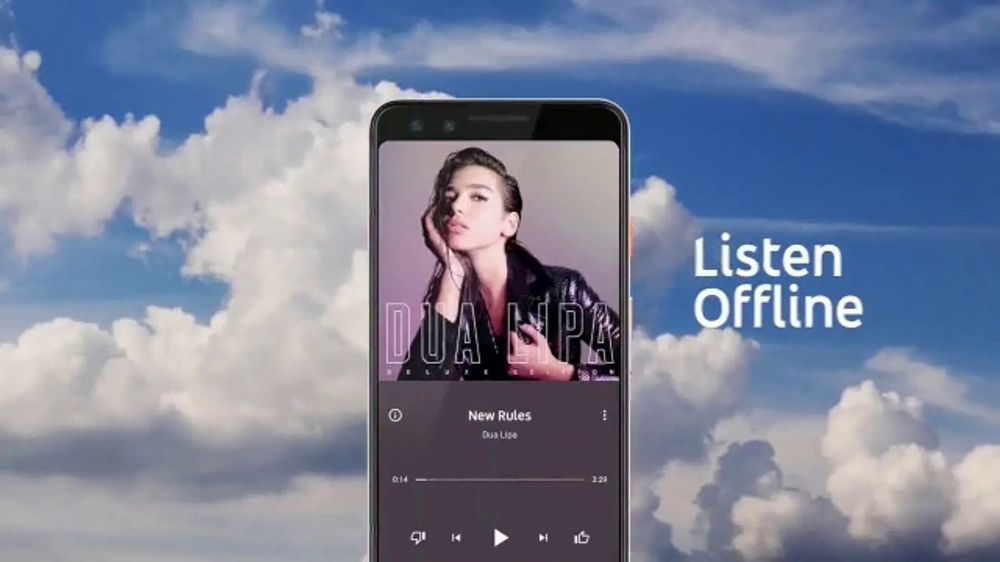
Discover the identity of the captivating singer featured in the YouTube Music ad. Uncover the artist behind the music and their latest hits.

Discover the song featured in the Apple Music 2026 commercial. Uncover the artist and track details that are captivating listeners worldwide.

Discover the artist behind the captivating Spotify Wrapped campaign ad. Uncover their music journey and impact on the streaming world today.