

Advertising has always been more than selling products—it's about shaping culture, values, and identity. The most influential campaigns transcend borders, becoming part of everyday language and collective memory. From Apple's groundbreaking "1984" Super Bowl ad to Nike's enduring "Just Do It," these campaigns redefined how brands communicate, proving that emotional storytelling, simplicity, and cultural resonance are far more powerful than technical specifications.
This article explores the campaigns that shaped global advertising, analyzing their strategies, cultural impact, and the timeless lessons they offer for modern marketers.
📺 Apple – 1984 (1984)
Concept: Directed by the legendary Ridley Scott, Apple's "1984" was a dystopian cinematic spectacle aired during the Super Bowl. It depicted a bleak, Orwellian world of conformity, shattered by a lone female runner who throws a hammer through a giant screen, symbolizing Apple's mission to challenge the dominance of IBM and bring individuality to computing.
Execution: Remarkably, the ad featured no product shots, no price, and no technical details. It was pure, bold narrative, ending simply with the promise that the Macintosh would be introduced, revealing "why 1984 won't be like 1984."
Impact: The ad broke every convention of tech advertising. It didn't sell a computer; it sold an idea—freedom, rebellion, and creativity. It immediately positioned Apple not just as a technology company, but as a cultural force.
Legacy: "1984" is still studied in advertising and business schools as one of the greatest commercials ever made, a masterclass in using storytelling to define a brand's identity and mission.
YouTube reference:
 Watch YouTube video
👟 Nike – Just Do It (1988)
Concept: Launched in 1988, Nike's "Just Do It" campaign was built around a simple, universal slogan that encouraged everyone, from elite athletes to weekend joggers, to push past their limits and just take action. The first ad featured Walt Stack, an 80-year-old marathon runner, embodying the spirit of perseverance.
Execution: The campaign used simple, motivational storytelling across a diverse range of athletes, focusing on the emotional struggle and triumph of sport rather than the technical features of the shoes.
Impact: "Just Do It" single-handedly elevated Nike from a running shoe company into a global lifestyle brand. It created an emotional connection with consumers that went far beyond the product itself.
Legacy: The slogan remains one of the most enduring and recognizable in advertising history, a testament to the power of a simple, emotionally resonant idea.
YouTube reference:
Watch YouTube video
🚗 Volkswagen – Think Small (1960)
Concept: In an era of American automotive advertising dominated by big, flashy, luxurious cars, Volkswagen took a radically different approach with its "Think Small" campaign for the compact, humble Beetle. The ads featured a stark, minimalist image of the tiny car against a vast, empty background.
Execution: The copy was witty, honest, and self-deprecating, embracing the car's small size and simple design as virtues in a world of excess. It broke away from every luxury trope of the time.
Impact: The campaign revolutionized automotive advertising and marketing as a whole. It proved that honesty, simplicity, and a clever, understated approach could be far more effective than bombastic claims.
Legacy: "Think Small" is studied in business schools worldwide as a masterclass in clarity, positioning, and the power of going against the grain.
YouTube reference (Think Small retrospective):
Watch YouTube video
🥤 Coca-Cola – I'd Like to Buy the World a Coke (1971)
Concept: At the height of the Vietnam War and a period of deep social unrest, Coca-Cola released "Hilltop," an ad featuring a diverse group of young people from around the world gathered on a hilltop in Italy, singing a heartfelt anthem of unity and peace: "I'd like to buy the world a home and furnish it with love… I'd like to buy the world a Coke and keep it company."
Execution: The ad was pure emotion. There were no hard sells, no product shots beyond the bottles in their hands. It was a simple, powerful message of shared humanity.
Impact: The ad was an instant cultural phenomenon. The jingle became a hit radio single, and the campaign cemented Coca-Cola's identity not just as a soft drink, but as a global symbol of happiness, optimism, and togetherness.
Legacy: It remains one of the most iconic and beloved commercials in history, a perfect example of a brand tapping into the cultural mood to create a message that resonates universally.
YouTube reference:
Watch YouTube video
🥛 Got Milk? (1993)
Concept: The California Milk Processor Board launched the "Got Milk?" campaign to combat declining milk consumption. The brilliant insight was simple: people don't crave milk itself, but they desperately need it when enjoying foods like cookies, cake, or peanut butter sandwiches.
Execution: The ads featured humorous, relatable scenarios where characters were frustrated by an empty milk jug precisely when they needed it most—like a history buff unable to answer a radio trivia question because his mouth was full of cake with no milk to wash it down.
Impact: The campaign revitalized the milk industry and turned the simple phrase "Got Milk?" into an everyday part of American language and culture. It spawned countless parodies and imitations.
Legacy: "Got Milk?" is a powerful proof point that a simple, relatable insight, executed with humor, can drive a cultural phenomenon and breathe new life into a seemingly mundane product.
YouTube reference:
Watch YouTube video
💳 Mastercard – Priceless (1997)
Concept: Mastercard's "Priceless" campaign was built on a simple, powerful formula: list the cost of items associated with a cherished life moment (e.g., two tickets to a ballgame, a hot dog, a program), then conclude that the experience itself is "priceless."
Execution: The ads used warm, emotional storytelling tied to everyday life moments—a father and son at a baseball game, a family vacation, a child's first bike. They connected the brand not to transactions, but to the human values and emotions that money can't buy.
Impact: The campaign transformed how a financial services brand could communicate. It moved Mastercard away from being a dry, transactional tool and positioned it as an enabler of life's most precious moments.
Legacy: "Priceless" became one of the longest-running and most globally adapted campaigns in advertising history, proving that a simple, emotionally resonant idea can transcend borders and cultures.
YouTube reference:
Watch YouTube video
📊 Comparison Table: Global Advertising Campaigns
| Apple | 1984 | 1984 | Bold narrative, cultural shift | 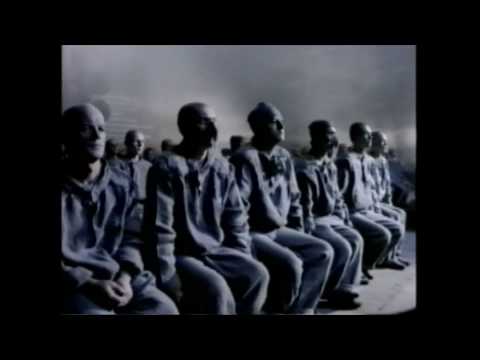 Watch YouTube video |
| Nike | Just Do It | 1988 | Universal empowerment |  Watch YouTube video |
| Volkswagen | Think Small | 1960 | Minimalist revolution | 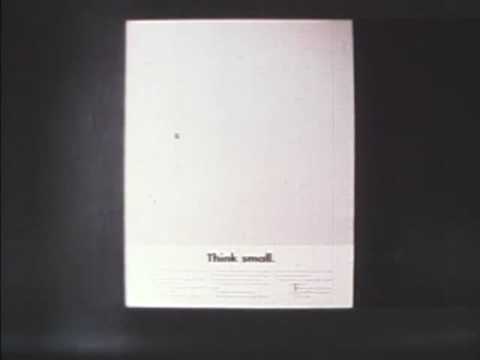 Watch YouTube video |
| Coca-Cola | I'd Like to Buy the World a Coke | 1971 | Unity, peace, happiness |  Watch YouTube video |
| Got Milk? | Got Milk? | 1993 | Cultural catchphrase |  Watch YouTube video |
| Mastercard | Priceless | 1997 | Emotional everyday storytelling |  Watch YouTube video |
Decade-by-Decade Evolution
1960s: The Power of Honesty & Simplicity
Volkswagen's "Think Small" broke away from the flashy, exaggerated claims of luxury advertising. It proved that honesty, wit, and a minimalist approach could resonate more deeply with consumers and create a powerful, distinctive brand identity.
1970s: Unity & Emotional Connection
Coca-Cola's "Hilltop" ad masterfully tapped into the cultural unrest of the era, offering a message of peace and togetherness. It demonstrated that brands could play a meaningful role in the cultural conversation by reflecting and amplifying shared human values.
1980s: Bold Narratives and Defining Slogans
Apple's "1984" and Nike's "Just Do It" showed that cinematic storytelling and a powerful, concise slogan could redefine entire brands. These campaigns focused on ideas and values rather than products, creating enduring brand identities.
1990s: Humor, Relatability, and Everyday Insights
Got Milk? and Mastercard's "Priceless" campaign proved the power of tapping into everyday life. Got Milk? used relatable humor, while Mastercard used emotional storytelling, to connect brands to universal human experiences and create lasting cultural impact.
Cultural Impact
Storytelling Over Specs: Apple and Nike proved that a brand's values and the stories it tells are far more important to consumers than a list of product features.
Simplicity Wins: Volkswagen and Got Milk? demonstrated that a clear, simple, and often humorous idea can cut through the noise and resonate more deeply than complex messaging.
Emotional Universality: Coca-Cola and Mastercard tapped into shared human experiences—a desire for peace, the value of a family moment—to create campaigns that felt personal and universal at the same time.
Global Adaptability: These campaigns transcended their countries of origin to become global cultural icons, proving that powerful ideas rooted in human emotion have no borders.
🔎 Expert Analysis
Strengths: The enduring power of these campaigns lies in their masterful use of emotional storytelling, their commitment to simplicity, and their deep connection to the cultural moment.
Differentiation: Each of these campaigns broke the conventions of its time, rejecting industry norms to create something fresh, bold, and unforgettable. They set new standards for what advertising could achieve.
Future: The lessons from these campaigns remain profoundly relevant. Future successful advertising will continue to emphasize authenticity, emotional resonance, and a commitment to values like sustainability and inclusivity, all delivered through compelling storytelling.
⚠️ Risks & Challenges
Cultural Sensitivity: In an increasingly globalized world, campaigns must be carefully adapted to ensure they resonate appropriately and respectfully across diverse cultures and avoid causing unintended offense.
Authenticity: Emotional storytelling must always feel genuine and earned. Consumers are highly skilled at detecting manipulation, and inauthenticity can quickly backfire and damage a brand's reputation.
Longevity vs. Evolution: Few slogans or campaigns endure for decades. Brands face the constant challenge of evolving their messaging to stay relevant without losing the core essence of their identity.
Conclusion
Apple, Nike, Volkswagen, Coca-Cola, Got Milk?, and Mastercard shaped global advertising by masterfully blending emotion, simplicity, and deep cultural resonance. These campaigns didn't just sell products—they created movements, memorable slogans, and enduring cultural touchstones that still influence marketing strategy today.
By tapping into universal human values—the desire for freedom, the drive to persevere, the joy of connection—these ads proved that the most powerful campaigns are those that connect emotionally, inspire action, and ultimately become part of culture itself.
Discover the top actors making waves in fashion campaigns. Explore rankings, insights, and trends that highlight their influence in the fashion industry.
Discover the iconic personalities behind your favorite drink commercials. Explore the famous faces that have shaped advertising in the beverage industry.

Discover the most emotional car campaigns that tug at your heartstrings. Explore powerful stories and unforgettable moments that redefine automotive advertising.

Discover the groundbreaking campaigns that transformed streaming advertising. Explore innovative strategies and their impact on the digital marketing landscape.

Explore the evolution of Dior perfume campaigns through captivating ads that showcase the brand's timeless elegance and innovative storytelling.

Discover the most iconic summer campaigns from around the globe. Explore creative strategies that captivated audiences and defined seasons.

Discover Jennifer Aniston's impact in personal care campaigns, showcasing her beauty secrets and commitment to wellness in the industry.

Explore how Audi's innovative advertising campaigns have shaped cultural trends and influenced the automotive industry. Discover the power of brand storytelling.

Discover the iconic songs that have defined Pepsi ads over the years. Explore how music and marketing blend to create unforgettable campaigns.

Discover the stars behind Reebok commercials! Explore the actors who brought these iconic ads to life and their impact on brand storytelling.