

Reebok is one of the world's most recognized sports brands. Founded in 1958 in England, it became a global reference point for fitness and urban culture, particularly during its explosive growth in the 1980s and 1990s. Advertising has been absolutely key in building an identity that seamlessly blends sports performance, lifestyle, and pop culture.
Unlike other major brands that focus almost exclusively on elite athletes, Reebok has consistently and strategically included actors, musicians, and celebrities in its campaigns, successfully connecting with diverse audiences far beyond the core sports demographic. This article explores how actors have starred in Reebok ads, reviewing its most iconic campaigns, their cultural impact, and the fascinating evolution of the brand's advertising strategy.
🌟 Iconic Campaigns Featuring Actors
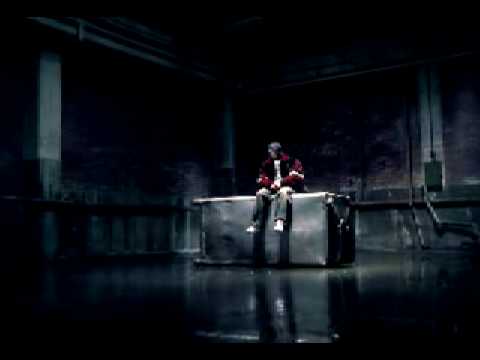
🎭 I Am What I Am (2000s)
The Campaign: Reebok's "I Am What I Am" campaign was a significant strategic pivot, moving the brand beyond pure athletic performance and into the broader realm of lifestyle and personal identity. The campaign featured a diverse cast of actors and personalities, including Lucy Liu, John Leguizamo, and Christina Ricci.
The Message: The core message was one of authenticity and radical individuality. It encouraged people to embrace their unique selves, aligning Reebok with values of self-expression and personal truth, rather than just sporting achievement.
Impact: This campaign successfully positioned Reebok as a lifestyle brand with a deeper, more meaningful connection to consumers. It broadened the brand's appeal and demonstrated a commitment to representing diverse voices and perspectives.
YouTube reference:
 Watch YouTube video
😂 Terry Tate: Office Linebacker (2003 Super Bowl)
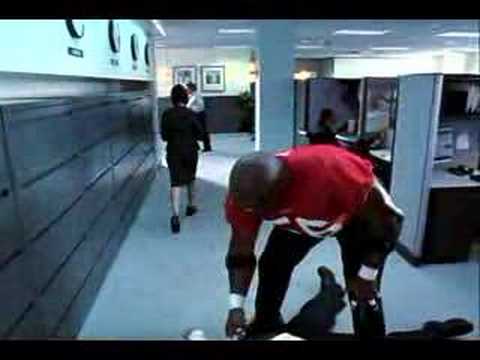
The Campaign: This was not just an ad; it was a cultural phenomenon. Actor Lester Speight created the unforgettable fictional character Terry Tate, a ferocious, hard-hitting linebacker who was "hired" by a company to enforce office rules with extreme, hilarious physicality.
The Style: The campaign was a brilliant blend of over-the-top humor and a satirical take on corporate discipline. The short films, which ran as a series, were incredibly shareable in the early days of the internet.
Impact: "Terry Tate: Office Linebacker" became one of the most viral and talked-about advertising campaigns of its time. It was a massive creative success, winning multiple Cannes Lions awards and proving that humor and a strong, original character could create immense buzz for a brand.
YouTube reference:
Watch YouTube video
👟 Framed Campaign
The Campaign: This innovative campaign created a unique bridge between Hollywood and the world of elite sports. It paired well-known actors with star athletes in biographical, storytelling-driven pieces.
The Pairings: The "Framed" series featured compelling duos such as Emmanuelle Chriqui with basketball star Baron Davis, Paz Vega with soccer legend Thierry Henry, Regina King with football player Vince Young, and Carlos Mencia with baseball star David Ortiz. Each piece told a story that connected the actor and athlete through shared themes of dedication and success.
Impact: The campaign successfully married the narrative power of Hollywood with the inspirational stories of sports heroes, creating a rich, layered brand experience that resonated with fans of both film and sports.
YouTube reference:
Watch YouTube video

💄 Cardi B – Meet You There Collection
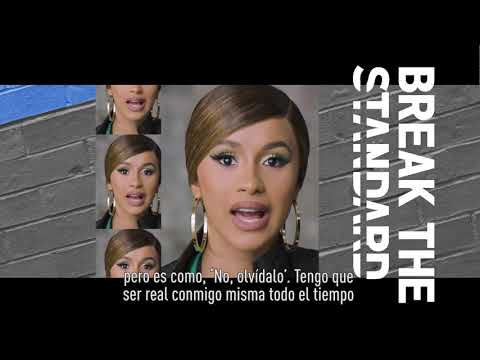
The Campaign: Global rap superstar and actress Cardi B headlined a major fashion-forward campaign for Reebok, centered around her "Meet You There" collection. This collaboration was a deep partnership, with Cardi involved in the creative direction of the products and the advertising.
The Message: The campaign fused the energy of urban culture with bold, expressive sports style. It was a celebration of individuality, confidence, and the intersection of music, fashion, and sneaker culture.
Impact: The partnership with Cardi B was instrumental in re-establishing Reebok as a relevant and powerful player in the competitive streetwear and lifestyle market, connecting the brand authentically with a new generation of fashion-conscious consumers.
YouTube reference:
Watch YouTube video
🥊 Ronda Rousey – Perfect Never (2016)
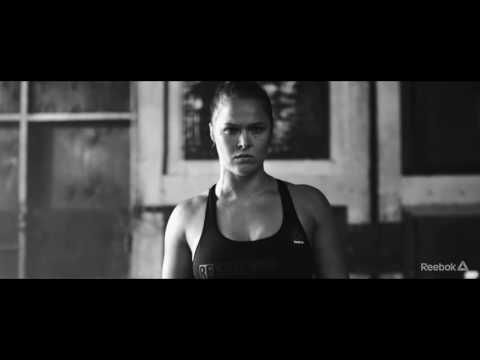
The Campaign: UFC champion and actress Ronda Rousey starred in Reebok's powerful "Perfect Never" campaign. The ad was a raw, unflinching look at the pursuit of greatness, acknowledging setbacks and celebrating the relentless drive to improve.
The Message: The campaign directly challenged narrow, unrealistic beauty standards and celebrated a different kind of strength and authenticity. It was a powerful statement of female empowerment, focused on resilience and self-belief rather than perfection.
Impact: "Perfect Never" resonated deeply with audiences, particularly women, by presenting a more honest and inspiring vision of strength. It solidified Reebok's commitment to empowering female athletes and celebrating authenticity over airbrushed ideals.
YouTube reference:
Watch YouTube video
📊 Comparison Table: Actors in Reebok Ads
| I Am What I Am | Lucy Liu, John Leguizamo, Christina Ricci | Authenticity, radical individuality | Expanded Reebok into meaningful lifestyle branding |
| Terry Tate: Office Linebacker | Lester Speight | Humor, satirical discipline | Viral success, multiple Cannes Lions awards |
| Framed | Emmanuelle Chriqui, Paz Vega, Regina King, Carlos Mencia | Athlete + actor storytelling | Successfully bridged Hollywood and sports culture |
| Meet You There | Cardi B | Urban culture, streetwear style | Connected Reebok with fashion & youth culture |
| Perfect Never | Ronda Rousey | Empowerment, resilience, authenticity | Championed women's empowerment in sports branding |
Decade-by-Decade Evolution
1980s–1990s: The Era of Fitness and Pop Culture
In its early decades, Reebok's identity was forged in the aerobics boom and the rise of fitness culture. Advertising during this period focused on sports and often featured music celebrities and athletes, laying the groundwork for its later cultural expansions.
2000s: The Strategic Inclusion of Hollywood Actors
The 2000s marked a significant shift. Campaigns like "I Am What I Am" deliberately integrated actors to reinforce themes of authenticity and personal identity. This strategy was about connecting with broader, more diverse audiences by tapping into the cultural resonance of beloved film and television stars.
2010s: Embracing Urban Culture and Empowerment
This decade saw Reebok deepen its engagement with urban culture and social issues. High-profile collaborations with Cardi B brought the brand firmly into the streetwear conversation, while campaigns like "Perfect Never" with Ronda Rousey demonstrated a powerful commitment to messages of female empowerment and authentic strength.
2020s: A Hybrid Model of Sports, Fashion, and Pop Culture
Today, Reebok's advertising strategy is a sophisticated blend of sports performance, fashion-forward design, and pop culture relevance. The brand continues to strategically use actors and musicians to position itself not just as a sportswear company, but as an integral part of the broader cultural landscape.
Cultural Impact
Championing Diversity: Reebok's consistent inclusion of actors from a wide range of backgrounds has powerfully reinforced a message of inclusion and representation.
Pioneering Humor in Advertising: Campaigns like "Terry Tate: Office Linebacker" set new trends in viral, character-driven advertising, proving that humor could be a massively effective tool for brand building.
Conveying Authentic Empowerment: Ronda Rousey and Cardi B, in their distinct ways, have conveyed powerful messages of strength, confidence, and authenticity, connecting deeply with consumers who value these traits.
Evolving into a Lifestyle Symbol: Through its strategic use of actors and celebrities, Reebok has successfully evolved from a pure sports brand into a broader cultural symbol, representing style, individuality, and a connection to the worlds of music and film.
Expert Analysis
Marketing experts highlight that Reebok has demonstrated a remarkable ability to adapt to changing cultural trends. By strategically including actors in its advertising campaigns, the brand has successfully:
Expanded its reach far beyond the core sports enthusiast demographic.
Forged deep, authentic emotional connections with a diverse range of global audiences.
Clearly differentiated itself from dominant competitors like Nike and Adidas, which often focus more heavily on elite athletic performance in their core branding.
The strategic use of actors has been a crucial tool, allowing Reebok to build memorable, culturally resonant campaigns that remain an enduring part of the pop culture conversation.
Conclusion
Actors in Reebok commercials have been absolutely central to building some of the brand's most memorable and impactful campaigns. From the authentic individuality championed by Lucy Liu and Christina Ricci, through the viral, character-driven humor of Lester Speight in "Terry Tate: Office Linebacker," to the powerful empowerment of Ronda Rousey and the undeniable urban cultural force of Cardi B, Reebok has consistently demonstrated that its advertising vision is about more than just sports. It is about culture, personal style, and a deep, abiding commitment to authenticity.
athlete featured in the Reebok CrossFit commercial and learn about their inspiring journey and achievements in the world of fitness.
Discover the background song featured in the Reebok training commercial. Uncover the artist and track details that energize your workout experience.

Discover how Huawei's mobile advertising has evolved, shaping the future of digital marketing with innovative strategies and cutting-edge technology.

Discover Natalie Portman's stunning presence in luxury campaigns, showcasing her elegance and style. Explore her impact on high-end fashion and beauty brands.

Discover how Harley-Davidson ads transformed into cultural icons, shaping perceptions of freedom and rebellion in American society. Explore their impact today.

Discover the iconic music that has shaped Red Bull commercials, featuring unforgettable tracks and artists that elevate the brand's dynamic storytelling.

Discover the stars who brought Lacoste campaigns to life. Explore the actors, their roles, and the impact of their performances on the brand's image.

Discover the most memorable Pizza Hut taglines that have defined the brand over the years. Explore catchy phrases that make pizza night unforgettable!

Explore the evolution of LG's advertising strategies over time, highlighting key campaigns and innovations that shaped their brand identity and market presence.

Discover how Netflix campaigns harness the art of storytelling to captivate audiences and drive engagement. Explore the power of narrative in marketing.