

Huawei, founded in 1987 in Shenzhen, China, began its journey as a modest telecommunications equipment provider. Over the past three decades, it has undergone a remarkable transformation to become one of the world's largest smartphone manufacturers. A crucial, and often overlooked, part of this transformation has been its sophisticated advertising strategy. Huawei's mobile advertising evolution reflects not only the company's own extraordinary growth but also the broader shifts in global marketing: from purely spec-driven functional ads in the early 2000s, to celebrity endorsements and lifestyle branding in the 2010s, and now to comprehensive ecosystem storytelling and a focus on sustainability in the 2020s.
This article explores Huawei's advertising journey, decade by decade, highlighting its most iconic campaigns, its cultural impact across different markets, and the strategic pivots that have defined its path.
📌 Early Phase (2000s–2010)
Focus: Technical specifications, reliability, and affordability.
Strategy: In its early years, Huawei's advertising was pragmatic and functional. The primary focus was on building trust in emerging markets across Asia, Africa, and Latin America. Campaigns emphasized practical benefits like network reliability, long battery life, and durable hardware. The messaging was straightforward and value-driven: "strong signal," "long battery," "affordable price."
Impact: These campaigns successfully positioned Huawei as a trustworthy and sensible alternative to more expensive Western brands. They built a solid foundation of consumer trust in price-sensitive markets, establishing the brand as a provider of reliable, no-frills technology.
YouTube reference: A specific link was not provided in the original text for this era.
🌍 Global Expansion (2010–2015)
Shift: A dramatic pivot from specs to lifestyle branding.
Strategy: This period marked Huawei's ambition to compete on the global stage with giants like Apple and Samsung. The brand began investing heavily in international sponsorships of major sports clubs and events to build recognition. The most significant move was the partnership with global football icon Lionel Messi, whose image helped humanize the brand and align it with universal values of excellence, perseverance, and global stardom.
Execution: Ads from this era began to highlight premium features like sophisticated design, advanced camera capabilities, and innovation, moving far beyond the purely functional messaging of the past.
Impact: The Messi endorsement was a watershed moment, giving Huawei immense global visibility and a newfound sense of prestige. The brand successfully began to shed its "budget" image and position itself as a legitimate, aspirational player in the premium smartphone market.
YouTube reference:
 Watch YouTube video
🎯 Millennial Marketing (2015–2020)
Focus: Targeting younger, digitally-native audiences.
Strategy: Huawei pivoted again to engage millennials and Gen Z, embracing digital and social media marketing with a vengeance. The brand launched campaigns like "Make It Possible," which emphasized empowerment, creativity, and the idea that technology could help users achieve their dreams.
Execution: This strategy involved deep collaborations with tech and lifestyle influencers to build credibility. Sponsorships expanded beyond sports to include music festivals, reinforcing cultural relevance. Advertising heavily showcased the brand's cutting-edge camera systems, developed in partnership with Leica, and the sleek, modern design of its devices.
Impact: Huawei successfully connected with a younger, more style-conscious demographic. The "Make It Possible" message resonated with aspirations of creativity and self-expression, solidifying the brand's image as innovative and cool.
YouTube reference: A specific link was not provided in the original text for this campaign.
⚡ Ecosystem Storytelling (2020–Present)
Focus: Connectivity, artificial intelligence (AI), and sustainability.
Strategy: In the face of significant geopolitical challenges and restrictions in Western markets, Huawei strategically pivoted its advertising narrative once again. The focus shifted away from individual devices and toward a comprehensive, integrated ecosystem.
Execution: Campaigns now prominently feature HarmonyOS, Huawei's own operating system, and the seamless integration across a wide range of devices—smartphones, wearables, tablets, and cloud services. The overarching message has evolved to "Building a Fully Connected, Intelligent World," emphasizing innovation, global connectivity, and the holistic benefits of the Huawei ecosystem. Ads also increasingly highlight the company's commitment to green technology and sustainability.
Impact: This strategic pivot positions Huawei not merely as a smartphone manufacturer, but as a holistic technology provider for the future. It builds a narrative of resilience, innovation, and long-term vision, appealing to consumers who value integration, intelligence, and corporate responsibility.
YouTube reference:
Watch YouTube video
📊 Comparison Table: Huawei Advertising Evolution
| 2000s–2010 | Specs, affordability, reliability | Regional ads, telecom-focused messaging | Link not provided |
| 2010–2015 | Lifestyle branding, global prestige | Lionel Messi endorsement, major sports sponsorships | 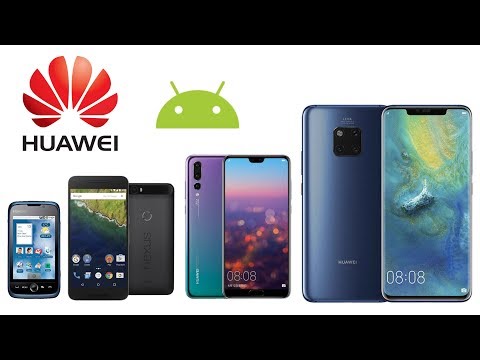 Watch YouTube video |
| 2015–2020 | Youth culture & digital engagement | "Make It Possible" campaign, influencer marketing | Link not provided |
| 2020–Present | Ecosystem, innovation, sustainability | HarmonyOS storytelling, "Connected World" narrative | 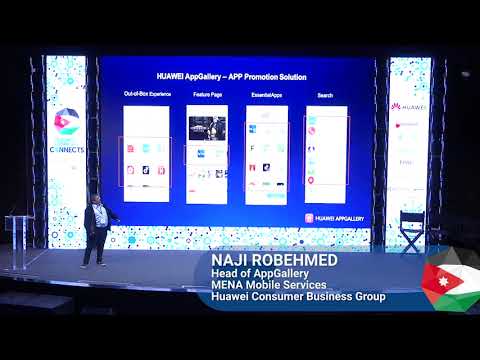 Watch YouTube video |
Decade-by-Decade Evolution
2000s: Building Trust in Emerging Markets
Huawei's early advertising was relentlessly pragmatic. It focused on building a reputation for affordability and reliability in developing countries, positioning the brand as a trustworthy, value-driven alternative to established Western competitors. The message was simple: dependable technology at an accessible price.
2010s: The Pursuit of Global Recognition
This decade was defined by a bold ambition to compete with the best. Huawei strategically shifted to lifestyle branding, using high-profile celebrity endorsements like Lionel Messi and global sports sponsorships to gain international visibility. Advertising began to showcase design, innovation, and a more aspirational lifestyle, moving decisively away from purely technical specifications.
Late 2010s: Engaging a New Generation
Huawei adeptly embraced the digital age to connect with millennials and Gen Z. By leveraging social media influencers and launching creativity-focused campaigns like "Make It Possible," the brand resonated with a younger, tech-savvy audience. The emphasis on advanced camera technology and sleek design appealed directly to their desire for self-expression.
2020s: Building a Connected and Sustainable Future
Facing a complex global landscape, Huawei pivoted to a more resilient and forward-looking narrative. Advertising now focuses on the power of its integrated ecosystem—HarmonyOS, AI, and seamless connectivity across devices. The message is about building an intelligent, connected world, with a strong emphasis on sustainability and long-term innovation, positioning Huawei as a visionary tech leader for the future.
Cultural Impact
A Story of Globalization: Huawei's advertising journey is a powerful case study in how a regional brand can strategically transform itself into a global competitor through carefully calibrated messaging.
The Power of the Celebrity Endorsement: The partnership with Lionel Messi was a masterstroke, lending Huawei instant global credibility and associating the brand with universally admired values of excellence and perseverance.
Connecting with Youth Culture: By embracing digital platforms and influencer marketing, Huawei successfully built a strong connection with younger generations who value creativity, cutting-edge technology, and self-expression.
Pivoting to Ecosystem Branding: In the face of adversity, Huawei's shift to ecosystem storytelling demonstrates remarkable strategic agility, redefining its identity as a holistic provider of intelligent technology rather than just a maker of phones.
🔎 Expert Analysis
Huawei's advertising evolution is a testament to its strategic adaptability:
Key Strengths: The brand has masterfully evolved from purely functional messaging to sophisticated emotional storytelling, consistently aligning itself with the most relevant global trends.
Strategic Differentiation: Unlike Apple's design-centric advertising or Samsung's focus on raw performance, Huawei has carved out a distinct space by emphasizing themes of connectivity, inclusivity, and the vision of a seamlessly integrated, intelligent world.
Navigating Significant Risks: U.S. sanctions have severely limited Huawei's advertising reach in Western markets. The company has responded by strategically localizing campaigns, doubling down on its home market in Asia, and shifting its narrative to focus on its own ecosystem and core values.
Future Outlook: Expect Huawei's future advertising to place an even greater emphasis on sustainability, the advancement of AI, and the concept of digital sovereignty, as it continues to build its brand identity in a complex global environment.
Conclusion
Huawei's mobile advertising journey powerfully reflects its extraordinary transformation from a regional telecom provider to a global technology ecosystem leader. By strategically evolving from spec-driven functional ads, to powerful celebrity endorsements, and now to comprehensive ecosystem storytelling, Huawei has successfully positioned itself as a brand that embodies innovation, connectivity, and enduring cultural relevance. Its campaigns now highlight not just technological prowess, but also the deeper values of empowerment, sustainability, and inclusivity, ensuring that Huawei remains a significant and influential player in the ever-evolving global advertising landscape.
Discover how Huawei is transforming mobile advertising with innovative strategies and technologies, driving growth and engagement in the digital landscape.
Discover how Huawei's innovative mobile campaigns are reshaping the global market, driving engagement, and setting new industry standards.

Discover Natalie Portman's stunning presence in luxury campaigns, showcasing her elegance and style. Explore her impact on high-end fashion and beauty brands.

Discover how Harley-Davidson ads transformed into cultural icons, shaping perceptions of freedom and rebellion in American society. Explore their impact today.

Discover the iconic music that has shaped Red Bull commercials, featuring unforgettable tracks and artists that elevate the brand's dynamic storytelling.

Discover the stars who brought Lacoste campaigns to life. Explore the actors, their roles, and the impact of their performances on the brand's image.

Discover the most memorable Pizza Hut taglines that have defined the brand over the years. Explore catchy phrases that make pizza night unforgettable!

Explore the evolution of LG's advertising strategies over time, highlighting key campaigns and innovations that shaped their brand identity and market presence.

Discover how Netflix campaigns harness the art of storytelling to captivate audiences and drive engagement. Explore the power of narrative in marketing.

Discover the most iconic Adidas ads from the last decade, showcasing creativity and innovation that have defined the brand's powerful marketing campaigns.