

In 2012, Chanel No. 5—the world’s most iconic perfume, historically advertised by legends like Catherine Deneuve, Audrey Tautou, and Nicole Kidman—made a bold and unexpected move. It cast Brad Pitt, one of Hollywood’s most recognizable male stars, as the first man to ever front the fragrance. Directed by Joe Wright and filmed in stark black and white, the campaign instantly became a cultural flashpoint. More than a decade later, it remains one of the most debated, parodied, and analyzed moments in luxury advertising.
This article explores the strategy, execution, controversy, and lasting impact of Brad Pitt’s enigmatic journey as the spokesman for Chanel No. 5—an experiment that challenged the norms of gender, celebrity, and luxury storytelling.
🌑 The Campaign: A Radical DepartureChanel’s 2012 campaign was unlike anything the brand—or the fragrance industry—had ever attempted. It was a deliberate break from tradition, a creative gamble that sought to redefine what a perfume ad could be.
The Concept
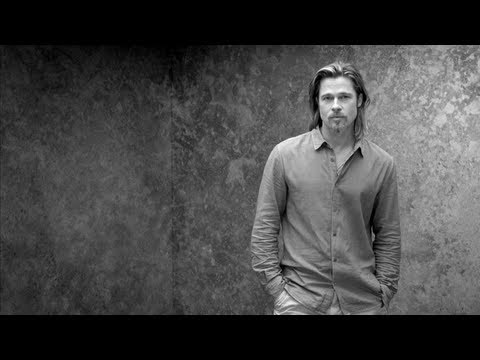
The campaign centered on a single 30‑second TV spot and a series of print ads. There were no glamorous women, no romantic storyline, no sweeping cinematic visuals, and not even a shot of the perfume bottle. Instead, the entire narrative rested on Brad Pitt’s face—unadorned, unfiltered, and uncomfortably close.
This simplicity was shocking. Chanel stripped away every traditional element of perfume advertising and left only a man who had never been associated with a women’s fragrance. The absence of visual cues forced viewers to confront the message—and the messenger—directly.
The Dialogue
Pitt delivers a cryptic, poetic monologue:
“It’s not a journey. Every journey ends, but we go on. The world turns and we turn with it. Plans disappear, dreams take over. But wherever I go, there you are. My luck, my fate, my fortune. Chanel No. 5. Inevitable.”
The words feel abstract, almost existential. They evoke destiny, longing, and inevitability—but never explicitly reference perfume. The script reads like a fragment of a philosophical diary rather than a commercial.
The Aesthetic
The ad is shot in stark black and white, with a minimalist, almost somber tone. The close‑up framing makes the viewer feel uncomfortably intimate with Pitt. It’s raw, stripped down, and intentionally ambiguous.
This was a dramatic contrast to the lush, cinematic fantasy worlds of previous Chanel No. 5 campaigns. Instead of glamour, Chanel chose introspection. Instead of seduction, they chose philosophy. Instead of a woman embodying the fragrance, they chose a man contemplating it.
The result was an ad that felt more like an art‑house short film than a luxury commercial.
🎯 The Strategy: Deconstructing Luxury AdvertisingChanel’s decision was not random—it was a calculated, high‑risk strategy designed to reframe a century‑old fragrance for a new era. The brand understood that No. 5, despite its legendary status, needed a jolt of cultural relevance.
1. Gender‑Bending Disruption
By placing a male icon at the center of a feminine fragrance narrative, Chanel challenged the traditional grammar of perfume advertising. Historically, perfume ads portrayed women wearing fragrance to attract men. Chanel flipped the script.
Pitt wasn’t the object of desire. He wasn’t the seducer. He wasn’t even part of a romantic storyline.
He was a narrator—an abstract voice speaking about Chanel No. 5 as a force that transcends gender. The message was subtle but powerful: No. 5 is not about seduction; it is about identity, destiny, and timelessness.
2. The “Anti‑Ad” Approach
In an era of oversaturated advertising, Chanel went minimalist. They removed:
the bottle
the spray
the fantasy
the glamorous woman
By stripping away all expected cues, Chanel forced viewers to focus on brand aura rather than product features. The ad demanded attention through its strangeness and through Pitt’s cultural weight.
This was advertising by subtraction—an approach that only a brand with Chanel’s confidence could attempt.
3. Using “Brad Pitt” as a Symbol
Chanel wasn’t selling Brad Pitt the actor—they were selling Brad Pitt the idea:
timeless masculinity
artistic credibility
global recognizability
emotional depth
His whispery, introspective delivery was meant to feel like a private confession, turning the viewer into a confidant. Chanel leveraged Pitt’s cultural mythology rather than his celebrity persona.
🔥 The Impact: A Cultural ExplosionThe campaign instantly entered the public consciousness—but not in the way Chanel expected.
1. Instant Viral Meme
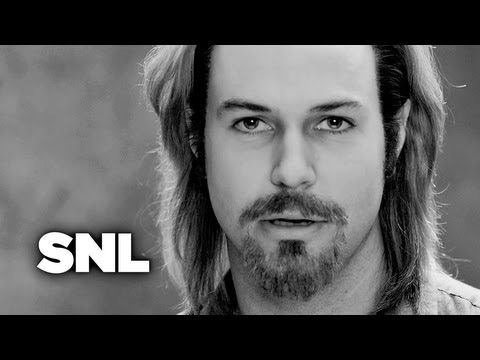
Within hours of release, the ad was parodied across the internet. The most famous spoof came from Saturday Night Live, which exaggerated Pitt’s whispery delivery and philosophical rambling.
Social media exploded with jokes about the ad’s ambiguity. Memes circulated for months. The campaign became a pop‑culture phenomenon, albeit not always in the way Chanel intended.
📺 Saturday Night Live Parody:
2. Critical Divide
Fashion critics and marketing analysts were sharply split.
Praise included:
“Bold and artistic”
“A deconstruction of luxury advertising”
“A brilliant use of celebrity mystique”
Criticism included:
“Pretentious and confusing”
“Emotionally flat”
“A mismatch between star and product”
Some argued that the ad misunderstood its audience; others believed it was a stroke of genius. The debate itself became part of the campaign’s power.
3. Commercial Success
Despite the mockery, the campaign worked.
Chanel earned an estimated $7–10 million in free media exposure in the first week alone.
Sales of Chanel No. 5 reportedly spiked following the campaign.
The fragrance dominated cultural conversation for months.
Chanel achieved its core objective: making a 100‑year‑old perfume feel relevant again.
📺 Official Chanel No. 5 Brad Pitt Commercial:
🧠 Expert Analysis: Success or Failure?
Marketing experts still debate the campaign’s legacy.
A luxury brand strategist summarized it this way:
“The Brad Pitt campaign was a masterpiece of dissonant marketing. It wasn’t designed to please—it was designed to provoke. By being so bizarre, it broke through the noise completely.”
The campaign is now taught in marketing courses as a case study in earned media value. Chanel paid for a 30‑second spot but received:
global news coverage
endless online parodies
years of cultural references
For a time, Brad Pitt’s face and Chanel No. 5 were inseparable.
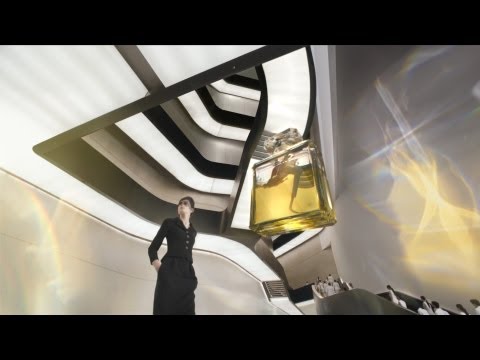
📺 Compilation of Chanel No. 5 Ads Through History:
🌟 The Legacy: A Turning Point for Chanel No. 5
The Brad Pitt campaign marked a clear pivot in Chanel’s advertising strategy.
1. A Return to Feminine Elegance
After the Pitt experiment, Chanel returned to more traditional storytelling with stars like:
Marion Cotillard
Lily‑Rose Depp
Gisele Bündchen
These campaigns were still modern and narrative‑driven, but they avoided the abstract minimalism of the Pitt era.
2. A Proof of Concept for Creative Risk
The campaign demonstrated that even the most established luxury brands could take radical creative risks without damaging their prestige. Chanel proved that heritage does not require predictability.
3. A New Understanding of Masculine Influence
By using a male muse to advertise a women’s fragrance, Chanel expanded the possibilities of gender representation in luxury marketing. It opened the door for more fluid, conceptual approaches to fragrance storytelling.
4. A Lesson in the Power of Controversy
In the age of social media, being mocked can be as valuable as being adored. Conversation equals relevance. Relevance equals sales.
The Pitt campaign showed that cultural disruption can be a powerful marketing tool.
🖋️ Conclusion: The Inevitable Whisper
Brad Pitt’s Chanel No. 5 campaign remains one of the most enigmatic and polarizing ads in luxury history. It was neither a classic beauty commercial nor a straightforward celebrity endorsement. Instead, it was:
an art film disguised as an advertisement
a whispered poem about destiny
a philosophical meditation sold as a fragrance
Whether viewers loved it or hated it, they talked about it. And in the world of luxury branding, conversation is currency.
The campaign succeeded in transforming a routine product launch into a global cultural event. It ensured that Chanel No. 5 remained relevant, provocative, and firmly embedded in the public imagination.
In the end, the campaign embodied its own final word: inevitable.

Discover the stunning allure of Charlize Theron in Dior campaigns. Explore her captivating ads that redefine elegance and luxury in fashion.

Explore Volkswagen's profound cultural impact on advertising, showcasing iconic campaigns that shaped perceptions and influenced generations of consumers.

Discover the iconic songs that have defined Heineken's memorable ad campaigns. Explore how music elevates brand storytelling and connects with audiences.

Discover the stars behind Puma commercials! Explore the actors who bring energy and style to these iconic ads, showcasing their talent and charisma.

Discover KFC's most iconic slogans that have defined its advertising success. Explore the catchy phrases that made the brand a household name.

Explore Sony's innovative advertising journey in gaming, showcasing how their strategies shaped the industry and captivated audiences worldwide.

Discover how Google's visual strategy transforms advertising campaigns, enhancing engagement and driving results through innovative design and targeted messaging.

Discover Microsoft’s most memorable commercials that shaped advertising history. Explore iconic moments and innovative storytelling that captivated audiences.