

Advertising in 2026 is more competitive than ever. Audiences scroll faster, expect more authenticity, and ignore anything that feels generic or predictable. To stand out, brands must master the core elements that make an advertisement not only attention‑grabbing, but emotionally resonant and culturally relevant. The most successful ads today combine visual impact, emotional storytelling, humor, high‑quality production, and purpose‑driven messaging—a formula that transforms a simple commercial into a memorable cultural moment.
This article breaks down these essential elements using five iconic ads as examples:
Apple – Crush! —
 Watch YouTube video
Nike – Winning Isn’t for Everyone —
Watch YouTube videoHyundai – Smaht Pahk —
Watch YouTube videoCoca‑Cola – Masterpiece —
Watch YouTube videoDove – Real Beauty Sketches —
Watch YouTube video





Each of these ads demonstrates a different pillar of effective advertising, offering valuable lessons for brands of all sizes.
The Visual Hook: Apple – “Crush!”
A successful advertisement must capture attention instantly. In a world where viewers decide within seconds whether to keep watching, the visual hook is the most powerful tool a brand can use. Apple’s “Crush!” is a perfect example of how to execute this element with precision.
The ad opens with a dramatic, almost shocking sequence: a hydraulic press crushing creative tools—paintbrushes, instruments, cameras, keyboards, and more. The imagery is bold, symbolic, and impossible to ignore. Without a single line of dialogue, Apple communicates a clear message: the new iPad can replace an entire studio of creative equipment.
Why the Visual Hook Works
Immediate impact: The crushing action grabs attention instantly.
Symbolism: Apple visually represents innovation and transformation.
Minimalism: The brand relies on imagery, not narration, reinforcing its identity.
Contrast: Destroying analog tools highlights the power of digital creation.
Why This Matters in 2026
Attention is the currency of modern advertising. With endless content competing for the same few seconds of viewer focus, brands must open with something visually unexpected. Apple understands that the first three seconds determine whether the viewer stays or scrolls away.
A strong visual hook:
Interrupts the viewer’s routine
Creates curiosity
Sets the emotional tone
Establishes brand identity instantly
Apple’s approach shows that a visual hook doesn’t need to be complicated—it just needs to be bold, intentional, and aligned with the message.
Emotional Narrative: Nike – “Winning Isn’t for Everyone”
Emotion is one of the most powerful drivers of human behavior. Nike has mastered emotional storytelling for decades, and “Winning Isn’t for Everyone” is a perfect example of how narrative can elevate an advertisement from promotional to inspirational.
The ad follows athletes pushing through pain, exhaustion, and self‑doubt. It focuses on the emotional journey behind success—not just the victory itself. The message is clear: greatness requires sacrifice.
Why Emotional Storytelling Matters
Human connection: People remember how an ad makes them feel.
Brand identity: Nike reinforces its message of perseverance and ambition.
Relatability: Viewers see themselves in the struggle, not just the triumph.
Motivation: Emotional narratives inspire action and loyalty.
The Psychology Behind Emotional Ads
Humans are wired to respond to stories. Neuroscience shows that emotional narratives activate more areas of the brain than facts or features alone. When viewers feel something, they:
Pay more attention
Retain the message longer
Form stronger brand associations
Are more likely to take action
Nike’s storytelling works because it taps into universal emotions—fear, determination, pride—and connects them to the brand’s core identity: empowering athletes of all levels.
Humor and Casting: Hyundai – “Smaht Pahk”
Humor is one of the most effective ways to make an advertisement memorable. Hyundai’s “Smaht Pahk” uses humor, celebrity casting, and cultural references to create a fun, engaging experience that resonates with viewers.
The ad features Chris Evans, John Krasinski, and Rachel Dratch exaggerating Boston accents while demonstrating Hyundai’s “Smart Park” feature. The comedic timing, playful banter, and regional jokes make the ad instantly shareable.
Why Humor Works
High shareability: Funny ads spread quickly across social media.
Positive association: Humor creates warm feelings toward the brand.
Memorability: People remember jokes and characters long after the ad ends.
Cultural relevance: The Boston accent gag taps into a recognizable cultural trope.
The Role of Casting
Celebrity casting amplifies humor by:
Adding familiarity
Enhancing comedic delivery
Increasing trust and attention
Boosting virality
Hyundai uses humor strategically—it enhances the message rather than overshadowing it. The joke supports the product feature, making the technology more memorable.
Production Quality: Coca‑Cola – “Masterpiece”
In an era of high‑definition screens and advanced digital tools, production quality can make or break an advertisement. Coca‑Cola’s “Masterpiece” is a stunning example of how visual craftsmanship can elevate a brand message.
The ad blends live action with animation, bringing famous artworks to life as they pass a Coca‑Cola bottle from one masterpiece to another. The transitions are seamless, the colors vibrant, and the creativity unmatched.
Why Production Quality Matters
Visual immersion: High‑quality visuals keep viewers engaged.
Brand prestige: Premium production reinforces Coca‑Cola’s global identity.
Artistic value: The ad feels like a piece of art, not just a commercial.
Replayability: Viewers watch multiple times to catch every detail.
The Strategic Impact of High Production Value
High production quality signals:
Professionalism
Attention to detail
Brand confidence
Cultural relevance
In 2026, audiences expect cinematic quality from top brands. Investing in production is no longer optional—it’s a competitive advantage that communicates value before a single word is spoken.
Social Purpose: Dove – “Real Beauty Sketches”
Purpose‑driven advertising has become a defining trend of the last decade. Dove’s “Real Beauty Sketches” remains one of the most impactful examples of how a brand can use its platform to address meaningful social issues.
The ad features an FBI sketch artist drawing women based on their own descriptions and then based on descriptions from strangers. The difference is striking—and emotional. The message is powerful: women often see themselves as less beautiful than others perceive them.
Why Social Purpose Resonates
Authenticity: Dove’s message aligns with its long‑standing commitment to real beauty.
Emotional impact: The ad sparks reflection and conversation.
Brand loyalty: Consumers support brands that stand for something meaningful.
Cultural relevance: The message addresses real societal issues.
The Rise of Purpose‑Driven Advertising
Modern consumers—especially younger generations—expect brands to:
Take a stand
Support social causes
Promote inclusivity
Demonstrate authenticity
Dove succeeds because its message is not a marketing tactic—it’s a mission. The ad feels genuine, heartfelt, and aligned with the brand’s identity.
What These Ads Teach Us About Effective Advertising
The most successful advertisements in 2026 share several common traits:
They capture attention instantly with a strong visual hook.
They tell a story that resonates emotionally.
They use humor strategically to entertain and engage.
They invest in high‑quality production to elevate the brand.
They stand for something meaningful, creating deeper loyalty.
When these elements work together, the result is an ad that not only sells a product but becomes part of culture.
How Brands Can Apply These Elements Today
Even without massive budgets, brands can incorporate these principles:
Use bold visuals in the first three seconds of your video.
Tell stories about real people, real struggles, and real emotions.
Add light humor or personality to make your brand more relatable.
Prioritize clean visuals, good lighting, and clear audio.
Align your message with a purpose that genuinely reflects your values.
These elements work because they reflect how people think, feel, and behave in 2026.
Discover effective strategies for conducting market research to enhance your campaigns. Learn how to gather insights that drive successful marketing decisions.
Discover how visuals enhance advertising effectiveness, capturing attention and driving engagement. Explore the science behind impactful visual strategies.
Discover the art of crafting a compelling brand story that connects with your audience. Learn essential tips to elevate your brand's narrative and impact.

Discover the essential steps to create a powerful sales funnel that drives conversions and boosts your business growth. Start optimizing your sales strategy today.

Discover proven techniques to enhance your sales through effective advertising strategies. Unlock your business's potential and drive revenue growth today.

Discover effective strategies to leverage social media for your marketing efforts. Boost engagement, reach your audience, and enhance brand visibility today.

Discover essential digital marketing strategies tailored for small businesses. Boost your online presence and drive growth with our expert insights and tips.

Discover the best marketing strategies to elevate your business growth. Unlock proven techniques and insights to drive success and increase your revenue.

Discover effective strategies to create commercial ads that engage and captivate your audience, driving results and boosting brand awareness.
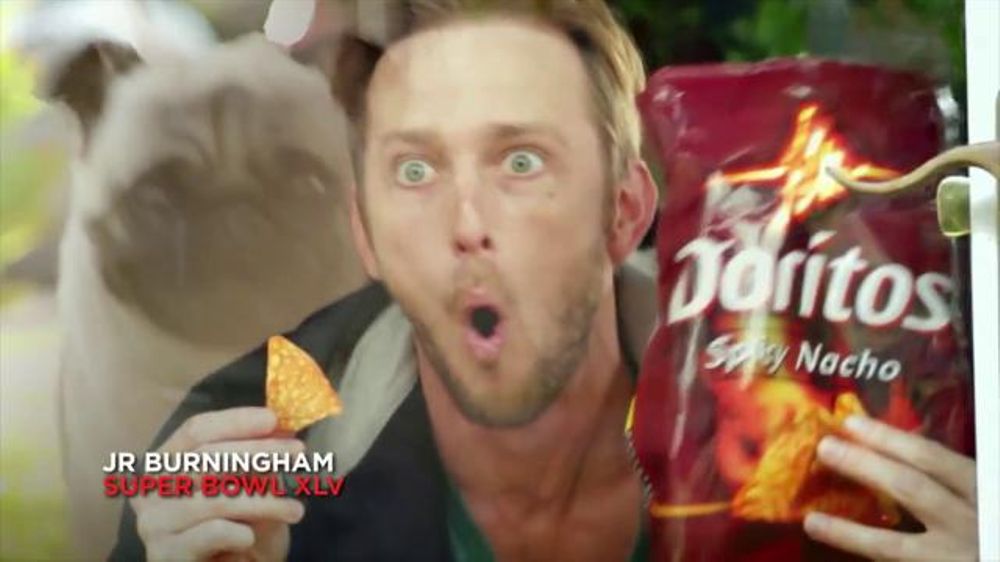
Discover why the Doritos chips commercial is trending in the US. Explore the creative elements and cultural impact that have captured viewers' attention.
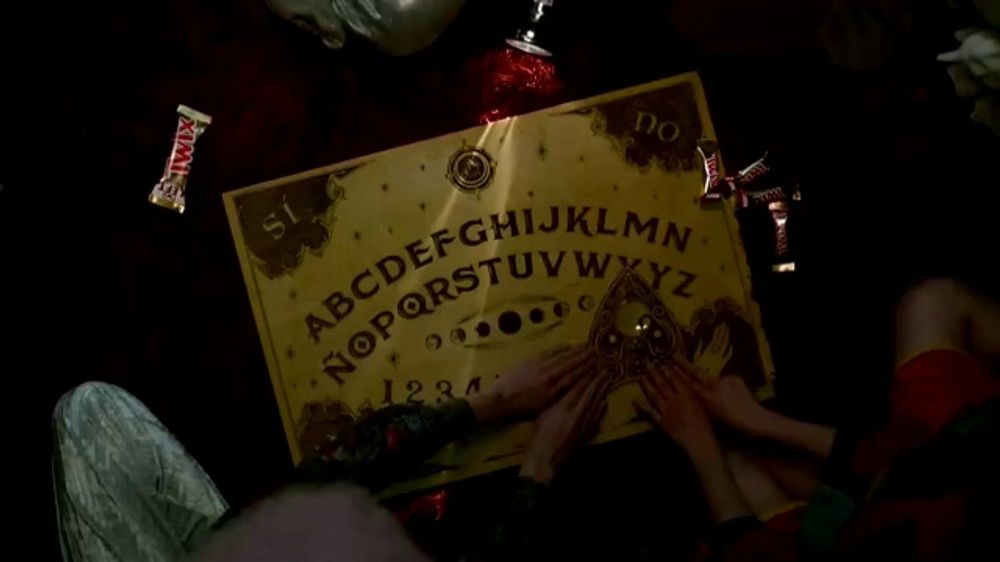
Discover the catchy tune featured in the Twix Left vs Right commercial. Uncover the song's details and learn more about its impact on the ad's appeal.