
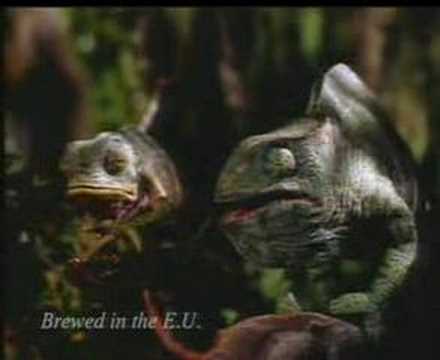
There's an old saying in marketing: "Any publicity is good publicity." But what happens when the publicity isn't just bad, but banned? When a commercial is pulled from the airwaves, it often transforms from a simple advertisement into a piece of forbidden pop culture. The controversy creates a mystique that no amount of paid media can buy.We're drawn to the forbidden. We want to see what we're not supposed to see. This curiosity has turned several banned advertisements into viral sensations, viewed millions of times online long after they were yanked from television. These ads crossed a line—whether it was politics, taste, or outright legality—and in doing so, secured their place in history.Here are five of the most iconic banned ads, the scandals that silenced them, and why we can't stop watching them today.1. Budweiser – "Lizards" (Frank & Louie)The Ad: In the early 2000s, Budweiser's "Lizards" were superstars. Following the massive success of the "Budweiser Frogs" (who croaked "Bud-Wise-Er"), the brand introduced Frank and Louie, a pair of cynical, wise-cracking anole lizards who were jealous of the frogs' fame. The spots were witty, sarcastic, and incredibly popular with audiences.
URL:
URL:
URL:
4. Volkswagen Polo – "The Explosion" (Terrorism Parody)
The Ad: This is a unique case, as it wasn't an official Volkswagen ad. It was a guerrilla marketing stunt gone horribly wrong. In 2005, a video began circulating online showing a man driving a Volkswagen Polo. He pulls into a gas station, and as he's filling up, a man in a balaclava jumps out of the car, runs to the rear, and places a bomb. The driver sees the bomb, panics, and drives away just as the gas station explodes in a massive fireball. The text on screen then reads: "The new Polo. Fun to drive."
URL: 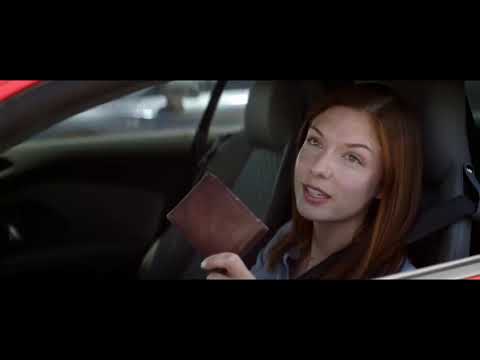
The Fallout: The video was incredibly well-made and went viral, but it was a PR nightmare. In a post-9/11 world, making light of terrorism was a catastrophic error in judgment. The public was horrified. Volkswagen immediately distanced itself from the ad, claiming it had been produced by an external agency without their approval. The company launched legal action to have the video removed from every website it appeared on.
The Lesson: This ad represents the ultimate line that should never be crossed. While the others were banned for protecting children, sex, or politics, this one was banned for basic human decency. It serves as a stark warning to marketers about the dangers of shock value for its own sake.
5. Calvin Klein – "The Casting Couch" (1995)
The Ad: In the mid-90s, Calvin Klein was the king of controversial advertising, pushing the boundaries of sex and youth. The "Casting Couch" campaign, directed by famed photographer Steven Meisel, took this to a new level. The ads were shot to look like low-budget, amateur pornography. They featured very young-looking models—some reportedly as young as 15—in a seedy, wood-paneled room, being directed by an off-camera male voice. The models awkwardly stripped off their clothes, answering suggestive questions. The aesthetic was deliberately uncomfortable, mimicking the look of "kiddie porn."
URL: 
The Investigation: The public backlash was immediate and fierce. Parents groups protested, and the media condemned the ads as child exploitation. The controversy escalated to the highest level when the US Department of Justice and the FBI launched an investigation into Calvin Klein for possible child pornography violations. The brand was accused of sexualizing minors to sell jeans.
The Result: Calvin Klein pulled the entire multi-million dollar campaign immediately. While the Justice Department eventually closed the investigation without filing charges, the damage was done. The "Casting Couch" ads became a permanent stain on the brand's legacy, serving as a cautionary tale about the difference between sexy and sordid. It remains one of the most disturbing and controversial ad campaigns ever created.
Conclusion: The Power of the Prohibited
These five ads crossed very different lines—from child protection laws to political neutrality to basic human decency. But they all share one thing: the "banned" label catapulted them into a different kind of fame.
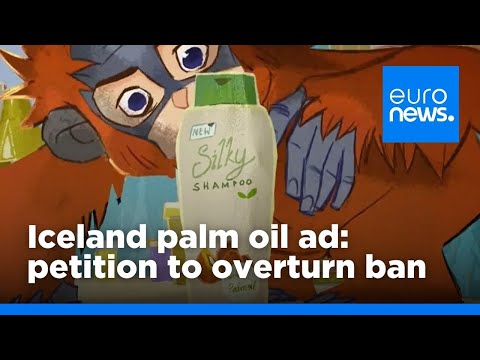
While the Calvin Klein ads serve as a grim warning of going too far, the stories of PETA, Iceland, and Budweiser show that sometimes, a ban can be a brand's most powerful marketing tool. In a world saturated with advertising, being told you can't see something might just be the most compelling reason to look.
The line between provocative and prohibited is always moving. These ads found it, crossed it, and became legends because of it.
Would you like to explore the stories behind other controversial moments in marketing history?
Discover effective strategies for conducting market research to enhance your campaigns. Learn how to gather insights that drive successful marketing decisions.
Discover how visuals enhance advertising effectiveness, capturing attention and driving engagement. Explore the science behind impactful visual strategies.
Discover the art of crafting a compelling brand story that connects with your audience. Learn essential tips to elevate your brand's narrative and impact.

Discover the power of silence in advertising. Explore how brands effectively use quiet moments to create impactful messages that resonate with audiences.

Discover why the YouTube Premium commercial is trending in the US. Explore its impact on viewers and the factors driving its popularity today.
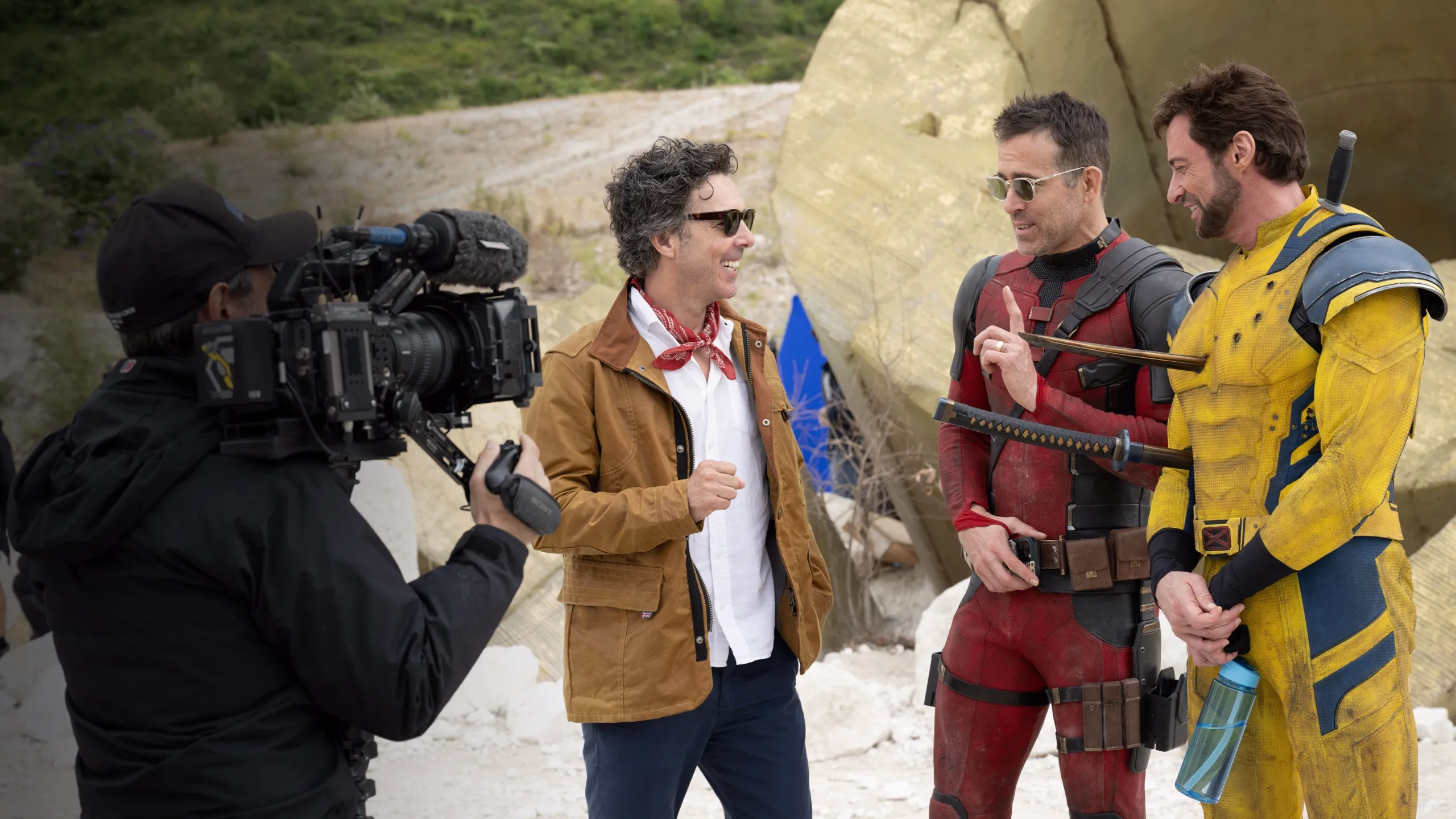
Discover the magic behind the Disney+ Marvel promo commercial. Explore exclusive insights, production secrets, and the creative process that brought it to life.
Discover the artist behind the catchy background song in the Hulu live TV ad. Uncover the details and enhance your viewing experience today!

Discover the truth behind the Amazon Alexa commercial. Explore whether it's based on a true story and what inspired its captivating narrative.
Discover the full cast of the highly anticipated Netflix 2026 global promo commercial. Get insights into the stars bringing this exciting project to life.
Discover the visionary behind the iconic Apple Super Bowl ad. Uncover the director's creative process and the story behind this memorable commercial.
Discover the actor featured in the latest Verizon Super Bowl commercial. Uncover the talent behind the scenes and their role in this memorable ad.