



Discover the song featured in Google's 2026 "Always Home" campaign. Uncover the melody that enhances this innovative home experience today.
Watch YouTube video
Release Date: 2026-04-24

In 2006, the original film captured a world where power was centralized: one editor, one magazine, one cultural gatekeeper. By 2026, the sequel reflects a world where power is split across influencers, digital platforms, global markets, and competing luxury conglomerates. This shift is directly tied to real‑world changes in fashion and media. weshmindjournal.com
Then vs. Now| 2006 | 2026 |
|---|---|
| Vogue‑style monoculture | Fragmented digital culture |
| Editors as gatekeepers | Influencers + algorithms as tastemakers |
| Print dominance | Digital survival struggle |
| One fashion capital | Globalized luxury markets |
The sequel uses its characters — especially Miranda and Emily — to dramatize this shift.
The original film became a cultural touchstone, influencing how audiences perceived fashion, ambition, and workplace power. Its lines, scenes, and aesthetics became collective cultural codes — instantly recognizable references. topicsthattransform.com
The sequel taps into:
This makes the film both a continuation and a cultural commentary.
Miranda Priestly’s struggle in the sequel — fighting to keep Runway relevant — mirrors the real decline of print media and the rise of digital disruption. This storyline is grounded in actual industry trends:
The film uses its characters to explore these pressures in a dramatized but recognizable way.
Emily Charlton’s transformation into the head of a global luxury empire reflects how power has decentralized. Luxury today is shaped by:
The sequel uses Emily vs. Miranda as a metaphor for old power vs. new power in luxury. weshmindjournal.com
The original film didn’t just depict fashion; it became part of fashion culture. Its return in 2026 resonates because:
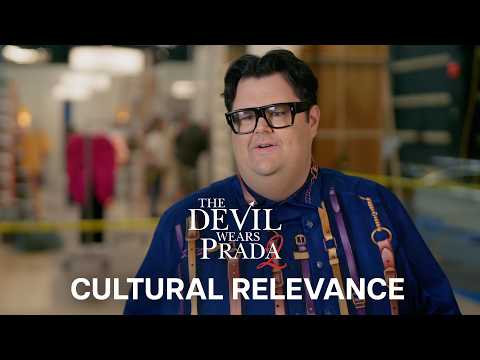
“The Devil Wears Prada 2” is culturally relevant because it uses beloved characters to explore how fashion, luxury, and media have transformed in the digital age — while tapping into nostalgia for one of the most iconic films of the 2000s.
Discover the song featured in Google's 2026 "Always Home" campaign. Uncover the melody that enhances this innovative home experience today.
Discover the star-studded cast of Wayfair's "Exactly What You Need" 2026 commercial. Find out who brings this captivating ad to life!
Discover the captivating background song featured in Sherwin-Williams' "The Color of 2026" ad. Uncover the music that enhances this vibrant campaign.
Discover the meaning behind Amazon Ring's 2026 "Neighborhood Watch" campaign. Explore its impact on community safety and engagement in your area.
Discover the voice actor behind Zillow's latest "Find Your Way Home" ad. Uncover the talent that brings this captivating campaign to life.
Discover the song featured in IKEA's 2026 "Life at Home" campaign. Uncover the melody that sets the tone for modern living and home inspiration.
Discover the celebrity featured in Lowe's 2026 "Spring Black Friday" ad. Uncover the star power behind this exciting campaign and what it means for shoppers.
Discover the catchy song featured in Home Depot's 2026 "How-To" commercial. Uncover the artist and title that make DIY projects even more inspiring!
Discover why the Liquid I.V. 2026 "Hydrate Your Life" commercial is capturing attention across the US. Explore its impact and trending elements now.